
Narrow-petaled prickly pear
Opuntia stenopetala
Description
Growing requirements
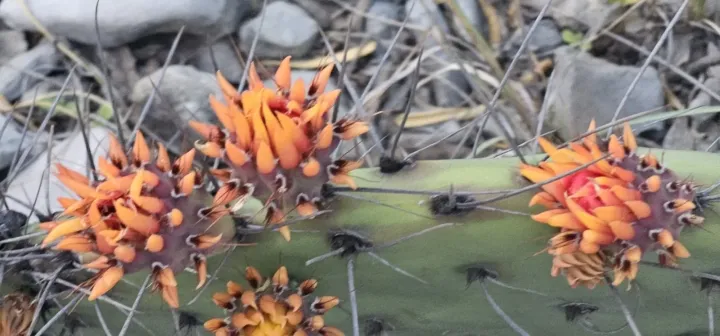
Opuntia stenopetala, commonly known as the narrow-petaled prickly pear, is a distinctive succulent member of the Cactaceae family. It is characterized by its robust, spreading habit and its ability to thrive in extremely harsh, arid environments.
Originating from the semiarid regions of Mexico, this species has evolved deep root systems and succulent stems designed to maximize water retention. Its botanical structure is optimized for high-intensity solar radiation, making it an efficient converter of sunlight into biomass.
For optimal growth, this crop requires well-drained, sandy-loam soils with high aeration. It is highly intolerant of waterlogging, which necessitates careful site selection, preferably on slopes or raised beds, to ensure rapid moisture drainage after irrigation or rainfall.
Climate requirements include warm temperatures throughout the growing season. While the species is resilient to intense heat, it requires consistent solar exposure to prevent stunted growth. It is cultivated primarily in arid or semi-arid zones where other traditional crops fail.
Agricultural management is relatively low-input. Propagation is typically achieved through vegetative cuttings (cladodes), which are placed directly into prepared substrates. Periodic weeding around the base of the plant during the establishment phase is the most labor-intensive requirement.
Main diseases and pests
Root rot and stem necrosis are the most significant threats to Opuntia stenopetala, typically caused by fungal pathogens in poorly drained soils. Adhering to strict irrigation scheduling and soil management practices is the primary defense strategy.
Scale insects and mealybugs are persistent pests that feed on the sap of the succulent pads, leading to significant weakening of the plant. Biological control agents or targeted insecticide applications are standard protocols for industrial plantations.
Lepidopteran larvae, specifically stem-boring moths, can cause substantial damage to the structural integrity of the cladodes. Early detection through field monitoring is essential to prevent extensive damage that can invite opportunistic infections.
Nematode infestations in the rhizosphere can restrict nutrient uptake, leading to chlorosis and stunted growth. Soil testing prior to planting is recommended to ensure the absence of high populations of parasitic soil organisms.
Environmental stress, such as unexpected frosts, can damage the peripheral tissues, leaving the plant susceptible to secondary bacterial pathogens. Protective measures during winter, such as row covers or site selection, are crucial in cooler regions of its range.