
Plains prickly pear
Opuntia polyacantha
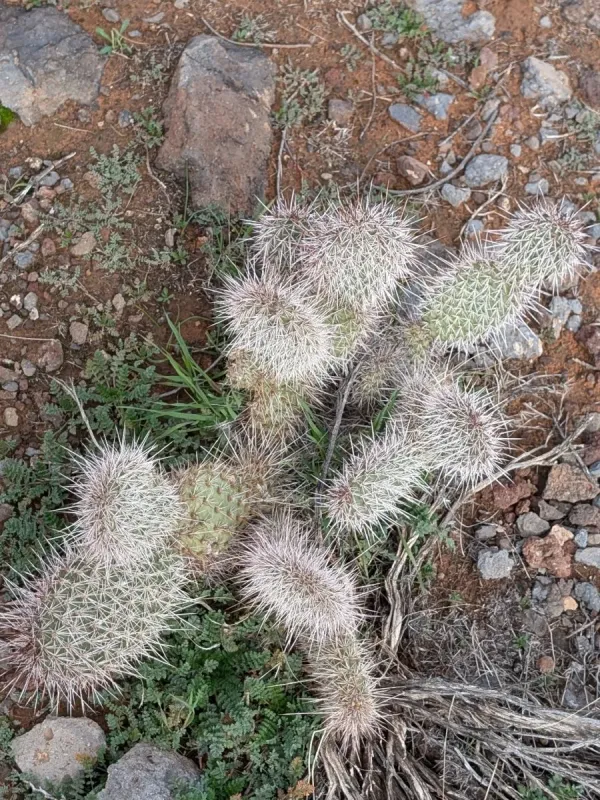
Description
Sowing dates
Propagation of Opuntia polyacantha is primarily achieved through vegetative means by rooting individual cladodes, which is the most efficient method for plantation establishment.
The optimal planting season begins in late spring or early summer, ensuring the soil has sufficiently warmed to promote rapid root development.
Before planting, cut cladodes must undergo a curing process in a dry, shaded area for several days to allow a protective callus to form over the wound.
While seed propagation is possible, it is rarely used in large-scale agriculture due to the extremely slow germination rate and long maturation period of seedlings.
Shallow planting at a depth of no more than 2–3 cm is critical to prevent base rot, which often occurs when segments are buried too deeply in dense soil.
Growing requirements
Opuntia polyacantha, a member of the Cactaceae family, is highly prized for its exceptional cold hardiness and adaptation to the arid climates of North America.
This crop demands full sun exposure, as insufficient light will lead to etiolation, causing the stems to stretch and lose their natural structural integrity.
Soil requirements focus on superior drainage; the plant thrives in gritty, sandy, or rocky soils with a neutral or slightly alkaline pH balance.
Water management is the most critical aspect of maintenance, as the plant is highly susceptible to root damage from waterlogging and prolonged moisture.
Standard agronomic care involves weeding the area around the base and ensuring a strict dry rest period during the winter months to prevent physiological stress.
Main diseases and pests
Fungal pathogens, particularly stem rot caused by excessive humidity, represent the most significant threat to the health and longevity of the crop.
Mealybugs are the most common pests that infest the cladodes, where they feed on plant sap and secrete substances that can attract further secondary infections.
Spider mites may become a localized problem during periods of intense heat and low humidity, requiring targeted monitoring to prevent extensive tissue damage.
Root-knot nematodes can also pose a latent threat, weakening the plant by impairing its ability to absorb nutrients efficiently from the soil.
Integrated pest management, including ventilation improvement and prophylactic spraying, is recommended to keep the cactus stands healthy and productive.
Harvesting
Harvesting the fruit of Opuntia polyacantha requires specialized protective gear, such as thick gloves, to safely handle the dense clusters of fine, prickly glochids.
Fruit readiness is determined by the development of the cultivar's specific color and a slight softening of the skin, indicating peak maturity.
Besides the fruit, the pads themselves are harvested in certain regions for use as emergency fodder for livestock, providing essential moisture during drought.
Post-harvest processing involves removing the glochids through mechanical brushing or controlled burning to ensure the product is safe for handling or consumption.
Stored crops should be kept in well-ventilated, cool, and dry environments to maintain freshness and prevent the development of spoilage organisms.