
Yellow Prickly Pear
Opuntia lutea
Description
Growing requirements
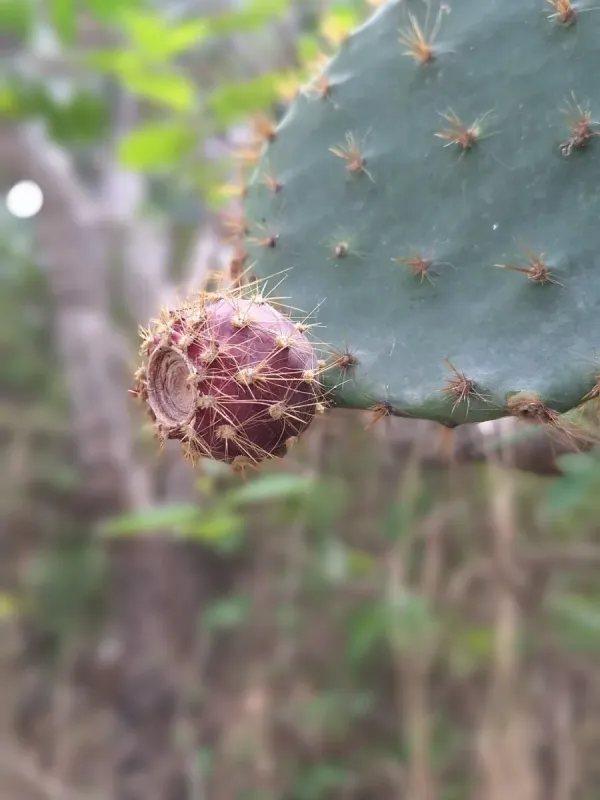
The yellow prickly pear (Opuntia lutea) belongs to the Cactaceae family. This perennial succulent plant is noted for its high adaptability to arid conditions and its ability to store moisture within its fleshy, jointed stems.
This species is native to regions of Central and South America, where the crop traditionally grows in poor, rocky soils. The plant prefers well-drained substrates with a neutral to slightly alkaline pH level, avoiding water stagnation near the root system.
For normal vegetation, the plant requires intense sunlight and no shade. Under agricultural conditions, the optimal temperature for active growth ranges from +20°C to +35°C, while the crop is capable of withstanding short-term temperature drops.
Cultivation practices require minimal intervention; however, selecting a site with protection from prevailing winds and sufficient spacing between rows for ventilation is crucial. Fertilizer application should be moderate, emphasizing potassium-rich formulations.
The agricultural value of the yellow prickly pear lies in the use of its fruits in the food industry, the utilization of stems as forage in arid zones, and its use as a raw material for natural dyes and technical substances.
Main diseases and pests
The primary pests for this crop include various species of scale insects and mealybugs, which infest the stem epidermis, sucking the sap and creating entry points for fungal infections.
Among diseases, bacterial rots caused by soil waterlogging and high air humidity are considered the most dangerous. Root rot, caused by phytopathogenic fungi from the Fusarium genus, is also a potential threat.
To protect plantations, it is essential to follow crop rotation and irrigation schedules, ensuring that water does not directly touch the vegetative parts of the plant. Prophylactic use of biofungicides helps significantly reduce crop loss risks.
An important aspect of protection is regular monitoring of the stem surface for the appearance of pest colonies. In cases of local infestation, mechanical removal of the affected plant parts is effective.
Comprehensive protection also includes maintaining the crop's high immune status through the selection of appropriate mineral fertilizers, making the plant more resilient to external biological threats.