
Hybrid Opuntia
Opuntia hybrids
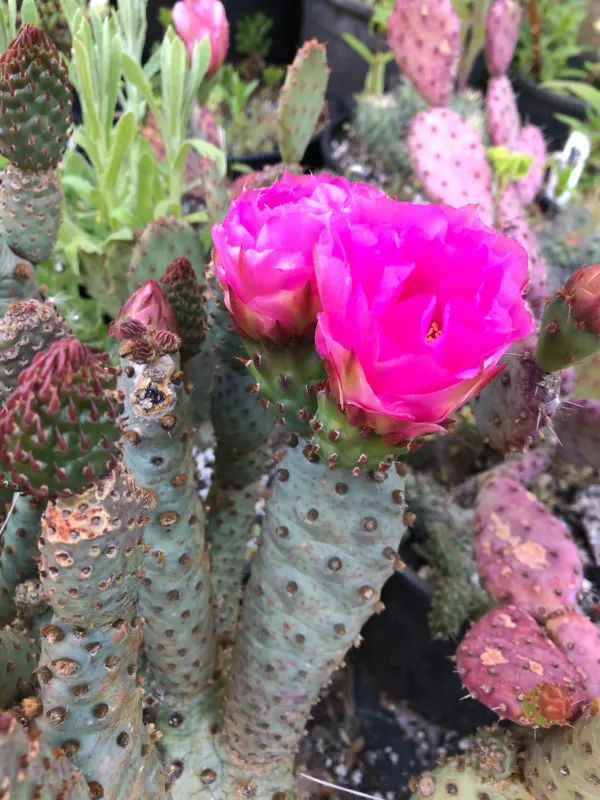
Description
Sowing dates
Hybrid Opuntia, a member of the Cactaceae family, is propagated commercially primarily through vegetative cuttings (cladodes). Planting is performed during the active growing season when soil temperatures are sufficiently warm to promote rapid root development.
The ideal planting window is late spring to early summer. Before planting, it is essential to allow the cut surfaces of the segments to callous for several days to prevent soil-borne pathogens from entering the plant tissues.
Seed-based propagation is used for breeding new hybrids and is initiated in controlled greenhouse environments in early spring. Seeds require a consistent temperature range between 25 and 28 degrees Celsius to achieve optimal germination rates.
Field preparation involves deep tillage and the incorporation of organic amendments to ensure adequate nutrient availability. Planting density varies based on intended output—fruit production or biomass harvesting—typically ranging from 2,000 to 5,000 plants per hectare.
Effective weed management is critical during the establishment phase. Young plants are sensitive to competition for water and nutrients; therefore, mechanical weeding or the use of mulching materials is recommended for the first two years of the plantation's life.
Growing requirements
Opuntia requires full sun exposure to thrive, as it is a highly photophilic crop. Lack of adequate light negatively impacts photosynthesis, plant structure, and the overall reproductive capacity of the cactus.
While the crop is adaptable to various soil types, excellent drainage is non-negotiable. Opuntia cannot tolerate waterlogged conditions, which lead to root rot and systemic infections. Sandy or rocky soils with a neutral pH are preferred for optimal growth.
This crop is famously drought-tolerant due to its CAM metabolism, which allows it to conserve water efficiently. Nevertheless, supplemental drip irrigation during the flowering and fruit-setting stages significantly enhances yield quality and total crop volume.
Temperature management is vital; while many hybrids are cold-hardy, prolonged freezing temperatures combined with high moisture levels can cause structural damage to the cladodes. In such climates, wind protection is beneficial to prevent desiccation and mechanical trauma.
Soil fertility should be monitored through regular testing. Potassium and phosphorus levels are especially important during the pre-flowering stage to support fruit development, while nitrogen levels should be moderated to prevent excessive, weak vegetative growth.
Yield
Hybrid Opuntia reaches a productive stage of growth by its third or fourth year. With proper maintenance, a healthy plantation can remain productive for several decades, providing stable annual yields of fruit and forage.
Average fruit yields typically fall between 15 and 25 tons per hectare under intensive management. The exact volume is heavily influenced by the specific hybrid genetics, local microclimate conditions, and the efficiency of the irrigation system.
Cladodes, or nopalitos, can be harvested multiple times throughout the year, adding a valuable stream of revenue for farmers. This requires precise pruning techniques to maintain the plant's structural integrity while ensuring continuous regrowth.
Proper pruning is essential to increase yield. By removing older, less productive segments and thinning the canopy, farmers can improve air circulation and sunlight penetration, which directly boosts the quantity and quality of the fruit produced.
To maximize fruit size and sugar content, it is crucial to balance plant density with pruning activities. Proper management prevents overcrowding and reduces the competition between fruit-bearing segments, resulting in more uniform produce.
Main diseases and pests
The cochineal scale insect is one of the most significant pests affecting Opuntia. These insects feed on the sap, weakening the plant and encouraging the growth of sooty mold. Integrated pest management, often involving biological controls, is the most effective approach.
Root rot and fungal leaf spots are common diseases triggered by excess humidity and poor drainage. Preventive measures include strict adherence to irrigation schedules and ensuring the soil remains light and well-aerated.
Mealybugs and spider mites are frequent threats in greenhouse environments or in regions with stagnant, dry air. Regular monitoring and the application of mild horticultural oils or targeted insecticides help keep populations under control.
Nematode infestations can damage roots in sandy soils, hindering the plant's ability to take up water. Crop rotation and the use of resistant rootstocks are recommended to mitigate long-term impacts on plantation health.
- Sanitize all tools used for pruning and harvesting.
- Avoid overhead irrigation that keeps segments wet.
- Remove and destroy severely infested plant segments.
- Monitor the base of the plant for early signs of rot.
Harvesting
Harvesting Opuntia fruit is a delicate task due to the presence of glochids, fine hair-like thorns that detach easily and cause irritation. Workers must wear puncture-resistant gloves and protective clothing to safely manage the harvest.
Fruit readiness is determined by the skin color change and a slight softening of the fruit texture. Harvested fruit must be handled with care to prevent bruising, as the skin is thin and susceptible to mechanical injury.
Post-harvest processing involves removing the glochids using soft brushes or pneumatic cleaning systems. Proper cleaning increases the shelf life and ensures the produce meets the quality standards required for the fresh fruit market.
Fruit should be stored in cool, dry conditions with adequate ventilation to maximize its shelf life, which is typically around 7 to 10 days. Proper cold chain management is essential for export-grade products.
Beyond the fresh market, the crop is widely processed into juices, jellies, natural food dyes, and high-value animal feed. The versatility of Opuntia makes it a highly valuable agricultural crop for arid and semi-arid regions.