
Opuntia bensonii
Opuntia bensonii
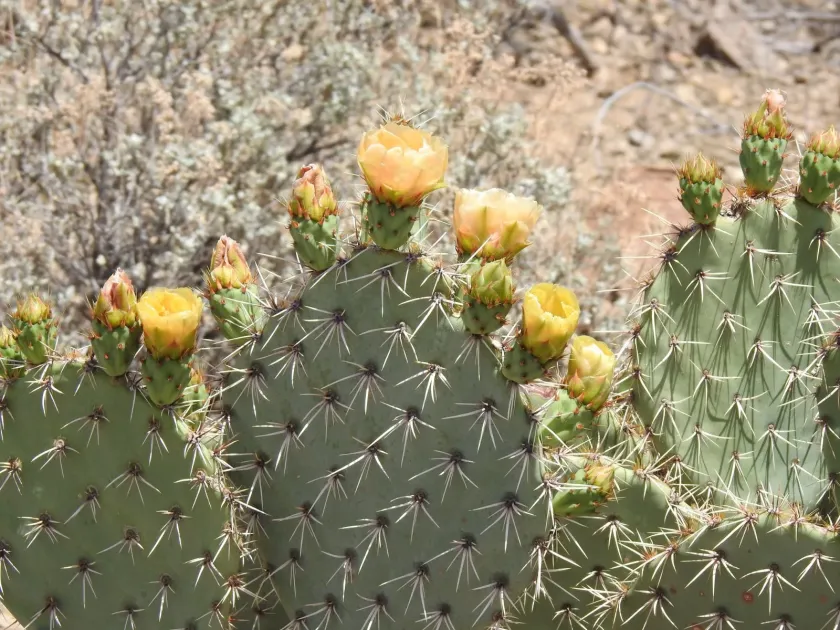
Description
Growing requirements
Opuntia bensonii is a perennial succulent belonging to the Cactaceae family. Originating from the arid zones of Mexico, this plant has evolved to thrive in high-heat and low-water environments.
The crop requires full sun exposure to maintain its physiological health and productivity. Even partial shade can lead to stunted growth and reduced fruit yield, which is detrimental for commercial farming.
Soil conditions are critical for this species; it demands well-drained, porous soil to ensure proper root aeration. Excessive soil moisture is the primary cause of root rot, which must be prevented via site selection.
Climatic requirements focus on warmth, with optimal growth occurring at temperatures between 20 and 35 degrees Celsius. While it handles heat well, protection from frost is necessary to avoid physical damage to the succulent segments.
Modern agrotechnology for this species emphasizes water-use efficiency, utilizing drip irrigation systems that deliver precise hydration directly to the root zone without wetting the foliage.
Yield
The economic value of Opuntia bensonii is rooted in its dual-purpose utility: providing edible fruit for human consumption and fodder for livestock during periods of forage scarcity.
The fruits are harvested for their nutritional content, including antioxidants and vitamins, which are increasingly sought after in the functional food and beverage market.
Vegetative segments, known as cladodes, serve as a drought-resistant fodder source. After spine removal, they provide cattle and sheep with essential dietary fiber and water during dry seasons.
Industrial applications include the extraction of polysaccharides for the cosmetic industry and the utilization of biomass in anaerobic digestion to generate renewable biogas energy.
Sustainable cultivation allows for multiple harvests per year under controlled conditions, making it a viable crop for improving the agricultural output of marginal lands.
Main diseases and pests
Fungal pathogens, particularly Fusarium and Pythium species, represent the most significant threat to plant health, especially in nurseries or regions with high relative humidity.
Insect pests, notably scale insects and mealybugs, pose a constant challenge to plant vigor. They extract phloem sap, creating wounds that often lead to secondary bacterial infections.
Integrated pest management (IPM) strategies are recommended, focusing on the introduction of natural predators and the judicious use of pesticides to ensure fruit safety.
Crop monitoring should prioritize the inspection of young, succulent growth, which is highly susceptible to insect feeding and fungal colonization during the initial stages.
Maintaining proper plant spacing is an essential cultural practice to ensure adequate airflow, which naturally suppresses the development of many moisture-related diseases.