
Beavertail cactus
Opuntia basilaris
Description
Growing requirements
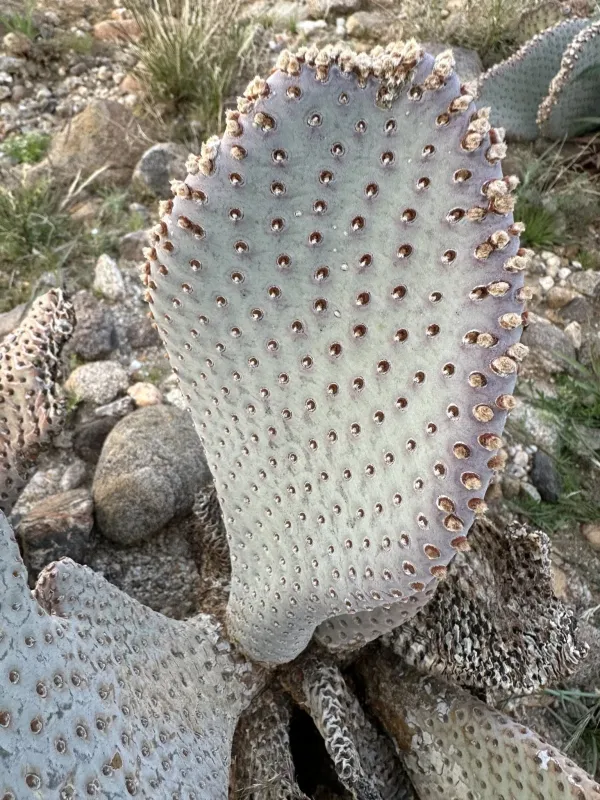
The Beavertail cactus (Opuntia basilaris) is a hardy succulent belonging to the Cactaceae family, natively thriving in the desert regions of the southwestern United States.
It demands highly porous, well-draining soil, ideally a mixture of sand and gravel, to prevent the root rot commonly associated with moisture stagnation.
Full sun exposure is an absolute requirement for this plant, as insufficient light leads to etiolation and a weakened structure of the cactus pads.
Temperature management is crucial; the plant requires hot, dry summers and a dormant period during cooler, dry winter months to maintain its physiological balance.
Proper ventilation is a key factor in cultivation, as the plant needs a consistent flow of fresh air to avoid humidity-related issues in the growing environment.
Main diseases and pests
The most common biological threats to Opuntia basilaris are fungal pathogens triggered by poor drainage or overly humid environmental conditions during the off-season.
Insect pests, such as mealybugs and spider mites, are frequent issues that require consistent monitoring and targeted chemical intervention when populations escalate.
Root rot is the most significant physiological threat, often resulting from improper watering schedules that ignore the plant's natural dormancy phase.
Effective management involves utilizing systemic fungicides and keeping the plant's surface clean of organic debris that could harbor pests or spores.
Regular sanitation of the greenhouse or field area is essential to prevent the spread of soil-borne diseases that can devastate a collection of cacti.
Harvesting
Beavertail cactus is primarily cultivated for ornamental purposes, landscaping in xeriscape gardens, and as a subject for specialized botanical studies.
Harvesting for propagation involves carefully detaching healthy pads during the peak of the growing season to ensure optimal rooting and establishment.
When handling the plant for any purpose, workers must wear specialized protective gear due to the presence of microscopic, stinging glochids that are difficult to remove.
Post-harvest processing involves cleaning the surfaces and allowing the cuttings to callous in a dry area before they are placed into a new growing medium.
The logistical management of this crop requires dry storage conditions to maintain the structural integrity of the pads and prevent the growth of mold or bacteria.