
Opuntia auberi
Opuntia auberi
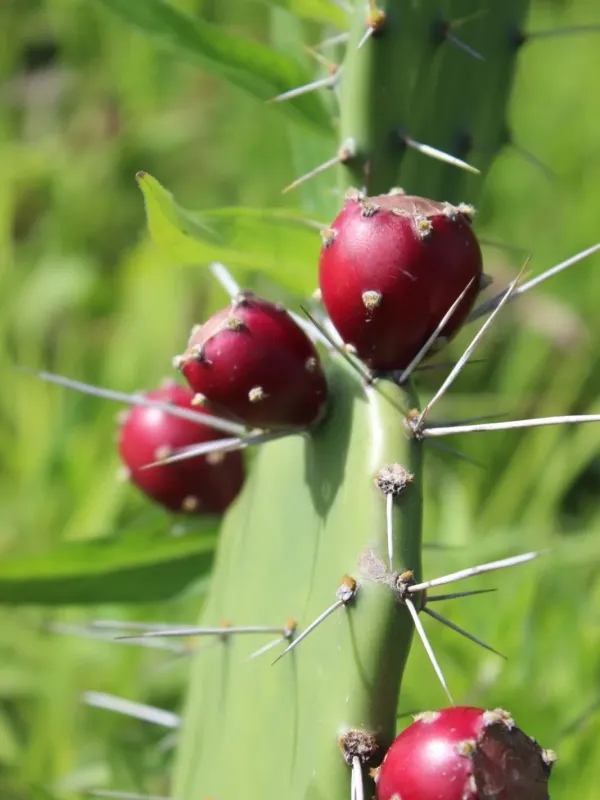
Description
Growing requirements
Opuntia auberi is a member of the Cactaceae family, known for its robust succulent structure. This perennial plant is highly specialized to thrive in arid environments, storing significant amounts of water within its thick, flattened segments known as cladodes.
Originating from Central America and the Caribbean, this species has evolved to tolerate extreme sun exposure and minimal soil nutrition. In its native habitat, it grows as a large shrub or a small tree, often reaching several meters in height.
The fundamental requirement for successful cultivation is excellent soil drainage. Sandy, rocky, or well-aerated substrates are preferred, as stagnant water is the primary cause of root rot and failure in this agricultural crop.
Opuntia auberi demands high light intensity to maintain structural integrity and healthy growth. It is exceptionally resilient to heat, making it an excellent candidate for agricultural production in semi-arid regions where conventional irrigation is scarce.
Agricultural management is relatively simple compared to standard crops. Propagation is usually achieved through vegetative cuttings, which root easily in dry conditions. The plant requires virtually no supplemental water once established, relying on its internal moisture reserves.
Yield
The economic utility of Opuntia auberi is extensive. It serves as a vital forage crop in dryland farming, providing essential hydration and nutrients for livestock when traditional grasses are unavailable during drought seasons.
The fruits produced by the plant are edible and contain a dense concentration of vitamins, minerals, and antioxidants. These are processed into various goods, including juices, jams, and natural food colorants, supporting local food industries.
In addition to food production, the plant is used for environmental protection. Its dense, thorned structure makes it an effective biological fence, protecting crop fields from livestock intrusion while simultaneously preventing soil erosion in fragile landscapes.
The mucilage extracted from the stems is highly valued in the pharmaceutical and cosmetic industries. It is used in moisturizing lotions, medicinal gels, and healing balms due to its soothing properties on human skin and tissues.
With its low input requirements and multifaceted output, Opuntia auberi represents a sustainable crop model for land reclamation, offering farmers a reliable return on investment even in the harshest climates.
Main diseases and pests
Fungal pathogens are the most significant threats to Opuntia auberi, particularly in conditions of high humidity or poor soil drainage. Rotting lesions on the cladodes are common symptoms of improper irrigation and can lead to rapid crop loss.
Insect pests such as mealybugs, scale insects, and the cochineal scale are frequent intruders. These pests suck the plant's sap, weakening its immune system and creating entry points for opportunistic bacterial infections.
The larvae of certain moth species can cause internal damage by boring into the fleshy segments. Because this damage is often hidden inside the plant, regular field surveys are necessary to detect and mitigate infestations before they spread.
Biological control methods are highly effective and preferred over harsh chemicals in Opuntia farming. Introducing natural predators of scale insects helps maintain a balanced ecosystem within the plantation without harming the plant's quality.
Crop hygiene remains the most effective preventive measure. Ensuring adequate spacing between plants, promoting airflow, and immediately removing infected segments can significantly reduce the pressure of pests and diseases on the plantation.