
Opuntia anacantha
Opuntia anacantha
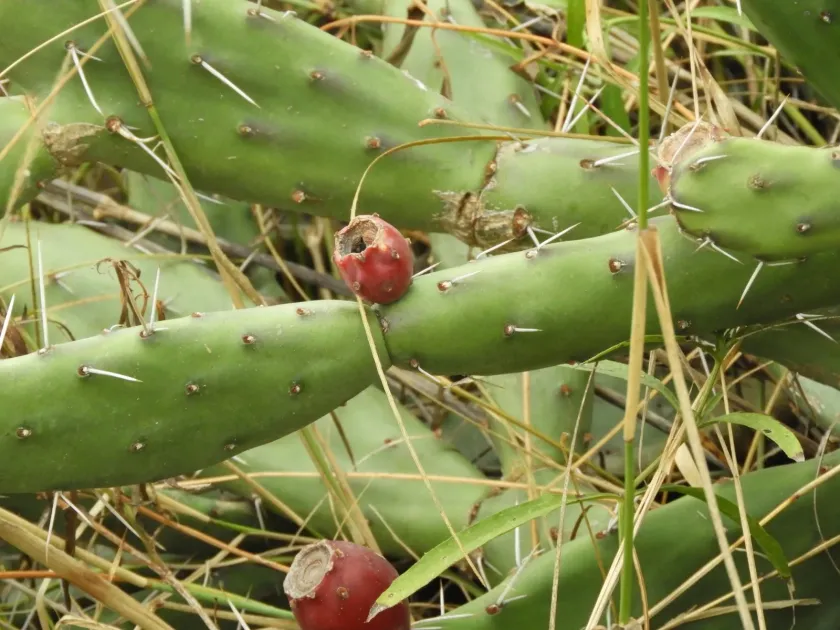
Description
Growing requirements
Opuntia anacantha belongs to the Cactaceae family and is native to the arid regions of South America, including Paraguay and Argentina. This species is highly specialized for survival in semi-desert environments, demonstrating exceptional drought resistance and resilience to low-nutrient soils.
The cultivation of this plant requires full exposure to solar radiation, as it thrives under intense light conditions. The soil must be exceptionally well-drained, preferably sandy or rocky, to prevent water stagnation, which is the primary cause of plant death in commercial plantations.
Regarding climatic needs, the plant prefers warm temperatures ranging from 20 to 35 degrees Celsius. It can tolerate significant daily temperature fluctuations, typical of arid zones, which contributes to its metabolic efficiency and accumulation of structural carbohydrates.
Botanically, the plant consists of flattened cladodes that act as storage organs. These segments are the focus of agricultural harvesting, as they contain significant amounts of water and essential minerals, making them a strategic resource for livestock nutrition in water-scarce regions.
The agricultural use of Opuntia anacantha is primarily focused on forage production. It serves as a drought-buffer crop, providing a reliable source of green mass for cattle and goats when traditional pastures are exhausted due to prolonged dry seasons.
Main diseases and pests
The most common threats to Opuntia anacantha plantations are fungal pathogens that cause root and stem rot. These diseases are almost exclusively linked to excessive soil moisture and poor air circulation within the planting rows.
Pests such as cochineal insects and mealybugs can cause significant damage to the plant tissue. By feeding on the sap, these insects weaken the cladodes, making them susceptible to secondary infections and reducing the overall biomass yield.
Root rot, often caused by soil-borne fungi, remains a critical challenge. Affected plants exhibit yellowing and softness of the lower segments, which usually indicates that damage has reached the vascular system, rendering the plant difficult to save.
Effective management includes regular monitoring for early signs of infestation and ensuring proper drainage systems. If chemical intervention is necessary, targeted insecticides or fungicides should be applied, while prioritizing ecological balance in the plantation area.
Sanitation practices, including the removal and destruction of infected material, are essential to prevent the spread of diseases. Maintaining an optimal spacing between plants is a preventive strategy to reduce humidity buildup around the base of the cactus.