
Opuntia alta
Opuntia alta
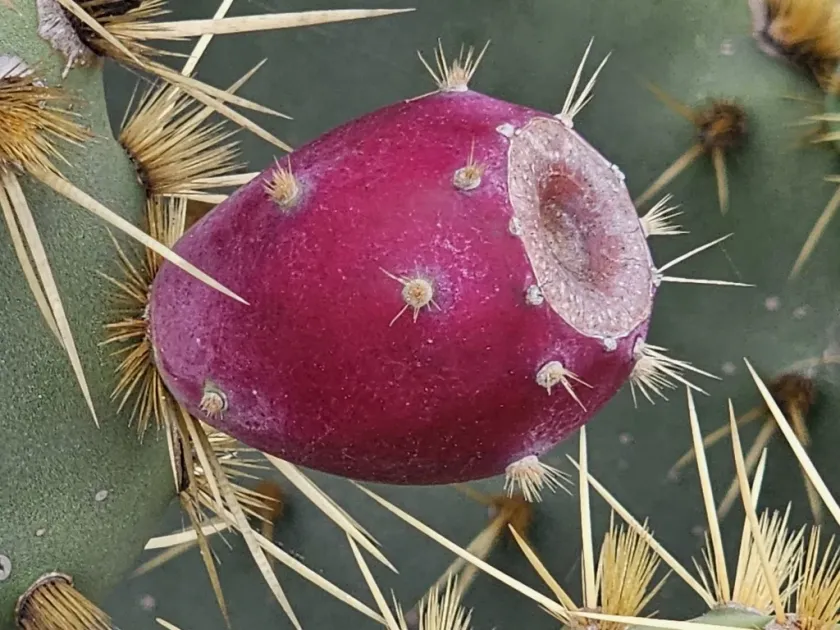
Description
Growing requirements
Opuntia alta is a woody succulent belonging to the Cactaceae family, known for its significant biomass production in arid environments. The plant is characterized by its large, flat cladodes, which allow it to store water efficiently and survive prolonged droughts.
Originally native to the Americas, this species thrives in well-drained sandy or rocky soils with a neutral or alkaline reaction. It requires high solar radiation throughout the growing season to maximize the synthesis of nutrients and structural development.
The ideal climate for Opuntia alta involves hot temperatures ranging from 20 to 35 degrees Celsius. It is highly intolerant of waterlogged soil conditions, which significantly increase the risk of root pathogens and cellular collapse of the cladodes.
Agronomic management focuses on site selection, ensuring the terrain allows for rapid runoff of irrigation or rainwater. Optimal plant spacing is essential to minimize competitive stress and ensure that each individual plant receives adequate light exposure.
Soil preparation should include proper cultivation to remove competitive weeds that could hinder growth in the initial stages. While the plant is drought-resistant, supplementary irrigation during the first year of establishment can drastically improve crop performance and yield.
Main diseases and pests
Common pests include the cactus scale insect, which can cause significant damage if left unmanaged. Integrated pest management strategies, involving regular monitoring and the use of targeted biological or chemical agents, are recommended.
Pathogens like Fusarium and Phytophthora are the most frequent causes of disease, usually triggered by poor drainage or excessive humidity. Management relies on cultural practices such as spacing, avoiding over-irrigation, and prompt removal of infected tissue.
Harvesting
Opuntia alta is increasingly valued as a forage crop, providing a critical source of moisture and nutrients for livestock in regions where traditional grasses fail to grow. Mechanical removal of spines is a prerequisite for its use as livestock feed.
In addition to its fodder potential, the fruits and cladodes contain valuable compounds used in food processing and cosmetic industries. Its ability to produce biomass with minimal water input makes it a sustainable option for marginal agricultural land.