
Opuntia aequatorialis
Opuntia aequatorialis
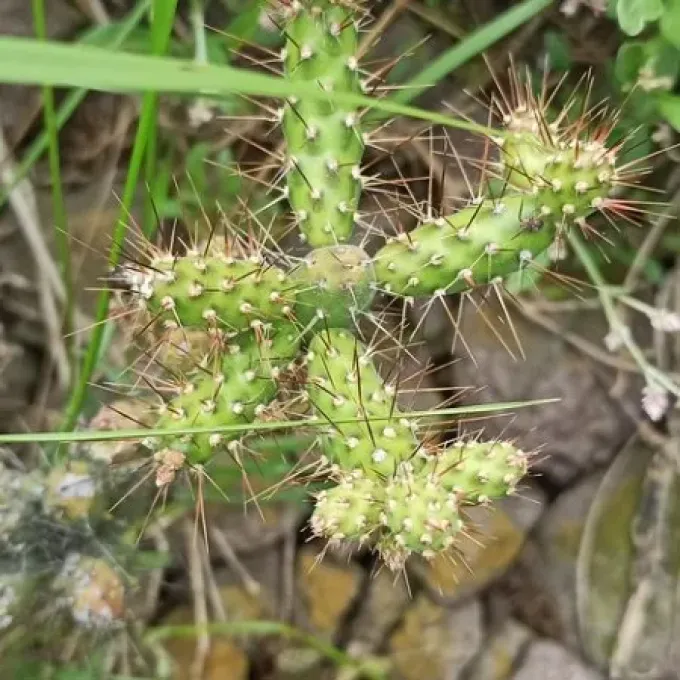
Description
Growing requirements
Opuntia aequatorialis is a perennial plant belonging to the Cactaceae family. Originating from the equatorial Andean regions, this cactus species has evolved to thrive in high-altitude environments, characterized by intense ultraviolet exposure and significant diurnal temperature fluctuations.
Successful cultivation requires soil that mimics its native habitat, specifically sandy, well-draining mineral substrates. Proper soil aeration is essential, as the root system of Opuntia aequatorialis is highly susceptible to hypoxia if the medium remains saturated with water for extended periods.
The climate requirements for this culture are specific: it demands high levels of direct solar radiation and moderate temperatures. While it exhibits strong drought tolerance, it is sensitive to prolonged frost exposure, necessitating protection or indoor cultivation in regions outside its native temperate-equatorial range.
Agronomic practices focus on a strictly regulated watering schedule, allowing the substrate to dry completely between applications. Fertilization should be restricted to the active growing season, utilizing low-nitrogen formulas to prevent etiolation and promote structural integrity of the pads.
The economic potential of the species lies in its adaptability to marginal lands. It is utilized in landscape management, soil stabilization in arid environments, and as a candidate for specialized fodder production, provided the plants are properly processed to manage spines and glochids.
Main diseases and pests
The most significant disease threats include fungal infections such as stem and root rot, which are typically exacerbated by inadequate drainage or excessive humidity. Implementing a strict irrigation management plan is the primary defense strategy against these pathogens.
Pest management involves monitoring for mealybugs and spider mites, which can rapidly colonize succulent pads. Integrated pest management, including regular inspection and the application of targeted horticultural oils or insecticides, is required to maintain plant health.