
Neobuxbaumia
Neobuxbaumia
Description
Growing requirements
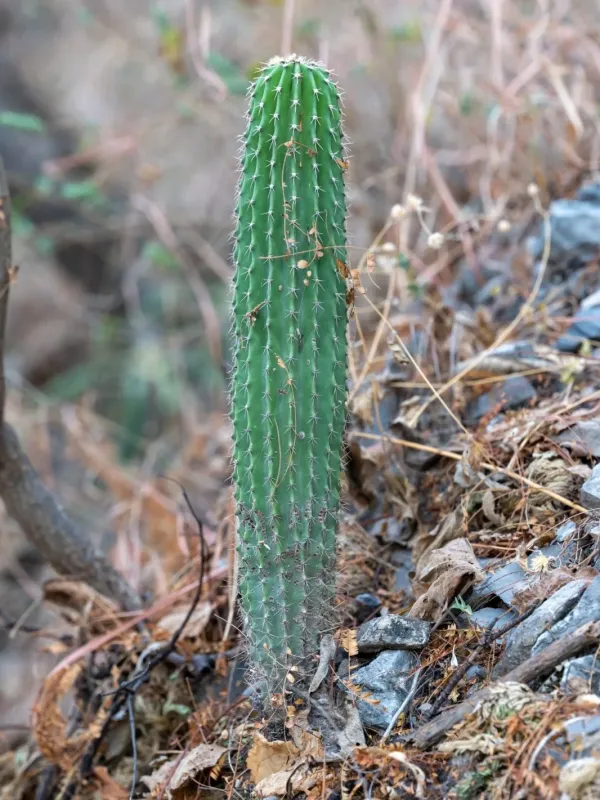
Neobuxbaumia is a genus of large columnar cacti belonging to the Cactaceae family. These plants are known for their impressive, tree-like growth habit and are highly valued in botanical collections for their structural beauty.
Native to the arid regions of Mexico, these cacti thrive in harsh environments. They are typically found on rocky slopes and canyons, where they are exposed to intense direct sunlight and infrequent but significant rainfall events.
Botanically, these plants are defined by their thick, ribbed stems and sharp spines. They are extremely slow-growing, often taking many years to reach maturity, which requires patience from any grower focusing on their cultivation.
The primary requirement for this culture is exceptional drainage. Growers should use a highly porous, mineral-based soil mix consisting of pumice, coarse sand, and a minimal amount of organic matter to mimic their native desert habitat.
Adequate sunlight is non-negotiable for the healthy development of these cacti. They require high levels of UV exposure to maintain their density and spine color, making them unsuitable for low-light indoor environments unless supplemented with grow lights.
Main diseases and pests
The most significant threat to Neobuxbaumia is root rot caused by stagnant moisture. Because these plants are adapted to arid climates, even brief periods of waterlogged soil can lead to catastrophic decay of the root system and stem base.
Common pests include mealybugs and spider mites, which can thrive in the crevices between the ribs and the base of the spines. These pests weaken the plant, making it prone to opportunistic viral and fungal infections.
To prevent disease, growers should strictly adhere to a dry winter dormant period. During this time, temperatures should be cool, and irrigation should be completely suspended to encourage the plant's natural protective dormancy mechanisms.
Regular sanitation of the greenhouse environment is essential. Removing fallen debris and ensuring proper air circulation around the plants helps to minimize humidity pockets that favor the growth of pathogenic fungi.
When infestation occurs, prompt application of contact or systemic pesticides is necessary. For severe cases, it is advisable to remove infected soil and repot the cactus in fresh, sterilized substrate to prevent the spread of soil-borne pathogens.