
Gymnocalycium reductum
Gymnocalycium reductum
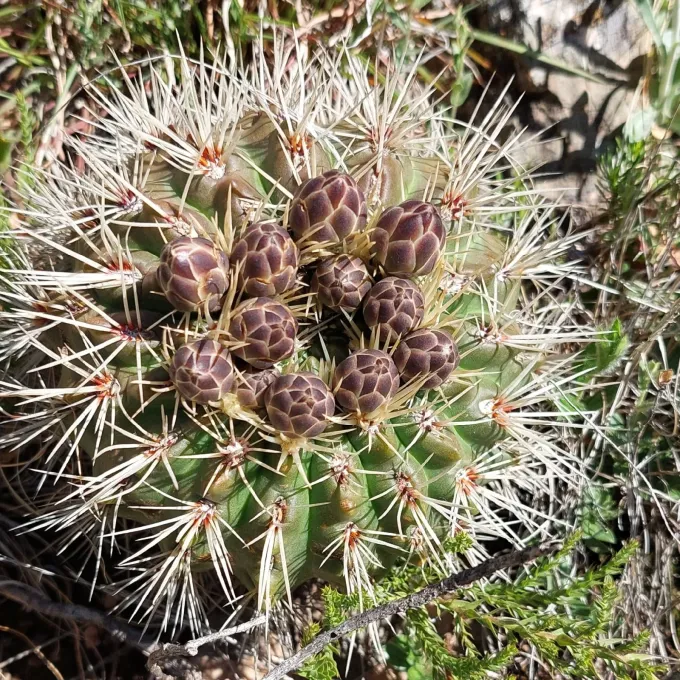
Description
Sowing dates
Gymnocalycium reductum is primarily propagated from seeds, which are best sown during early spring to take advantage of increasing daylight hours.
For successful sowing, use shallow trays filled with a well-draining mineral-based substrate, such as a mix of sand and perlite.
Seeds should be pressed gently into the moist soil surface without burial and covered with clear plastic to maintain high humidity.
Maintain an ambient temperature of approximately 22–25 degrees Celsius, keeping the environment free from cold drafts and direct intense heat.
Once germination begins, gradually acclimatize the seedlings to lower humidity to prevent damping-off diseases and promote robust growth.
Growing requirements
This species belongs to the Cactaceae family, originating from the arid grasslands of Argentina, where it thrives in well-drained habitats.
The plant requires bright, indirect sunlight to maintain its natural shape and color, as extreme solar exposure can cause bleaching of the epidermis.
A porous substrate with high mineral content is essential, as the roots are highly sensitive to prolonged moisture and lack of aeration.
Watering should be rhythmic, allowing the potting mix to dry out completely between applications to mimic the natural wetting and drying cycles.
Cooler winter temperatures, ideally between 10 and 12 degrees Celsius, are vital for the plant to enter dormancy and eventually trigger flowering.
Main diseases and pests
Root rot is the most significant threat to Gymnocalycium reductum, often resulting from overwatering or poorly draining soil mixtures.
Mealybugs are common pests that hide within the tubercles of the cactus, where they feed on sap and cause stunted, distorted growth.
Spider mites may infest the plant in environments with consistently low humidity, leaving pale, necrotic spots on the skin of the cactus.
To prevent these issues, ensure adequate airflow and avoid overhead watering that traps moisture in the crevices of the succulent stem.
Should pests appear, utilize insecticidal soaps or systemic treatments specifically formulated for cacti to eliminate the infestation without harming the plant tissue.