
Gymnocalycium platense
Gymnocalycium platense
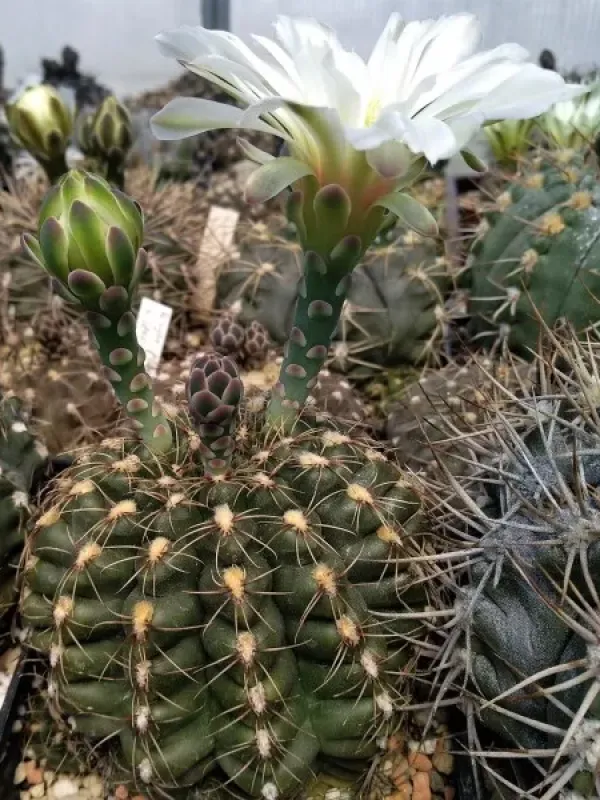
Description
Sowing dates
Sowing Gymnocalycium platense seeds is best performed during the spring season. This timing aligns with the natural light cycles, providing the optimal energy required for consistent and healthy germination of the seedlings.
A specialized, sterile, and slightly acidic substrate is essential for the sowing process. A mix of sand, perlite, and fine mineral soil ensures the drainage necessary to prevent early-stage damping-off of the young cacti.
Seeds should be placed on the surface of the moist medium. Maintaining a constant temperature range of 22–25 degrees Celsius is critical, and covering the tray with transparent plastic creates a necessary humid greenhouse environment.
Air circulation is vital once germination begins. Regular ventilation prevents fungal outbreaks and helps the seedlings develop stronger tissue, preparing them for the transition to drier, open-air conditions.
Transplanting (pricking out) into individual small pots is recommended once the seedlings become crowded, usually after six to twelve months of growth. Careful handling is required at this stage to avoid damaging the delicate roots.
Growing requirements
Gymnocalycium platense is a member of the Cactaceae family originating from the South American plains. It thrives in bright, filtered light and requires a location where it can be protected from intense, direct midday sun.
Soil requirements focus on high porosity. A professional cactus mix, supplemented with crushed granite or pumice, allows for excellent water flow and oxygenation, which are fundamental for maintaining healthy root structures.
Watering should be approached with caution. The plant requires a soak-and-dry method, where the soil is allowed to dry out completely between sessions. This mimics the plant's native cycle and prevents internal rot.
A dormant winter period is essential for this species. During this time, temperatures should be dropped to 10–12 degrees Celsius, and watering must be completely suspended to encourage the development of future flowers.
The aesthetic value of the plant depends on its distinctive ribbed shape and periodic blooming. Proper care, including restricted nitrogen intake, ensures the cactus retains its compact, natural, and sturdy appearance.
Main diseases and pests
The most common pests include mealybugs and spider mites. Mealybugs often hide in the folds between the ribs, making them difficult to detect. Manual cleaning with isopropyl alcohol is a highly effective control measure.
Root rot is the primary physiological threat caused by improper watering techniques or poor drainage. Once established, it is difficult to reverse, necessitating the removal of the plant from its container for inspection.
Fungal infections can develop during seasons of high humidity and poor ventilation. Keeping the area around the cactus dry and promoting natural airflow reduces the risk of these pathogens taking hold on the skin of the plant.
Preventive maintenance involves routine inspections of the plant's base. If discoloration or softening occurs, it is a sign that immediate adjustment of the watering schedule or soil composition is required to ensure recovery.
Application of fungicides should be considered only when a specific infection is identified. Over-treating healthy plants with chemicals can damage the delicate protective layer of the cactus epidermis, making it more vulnerable.