
Gymnocalycium pflanzii
Gymnocalycium pflanzii
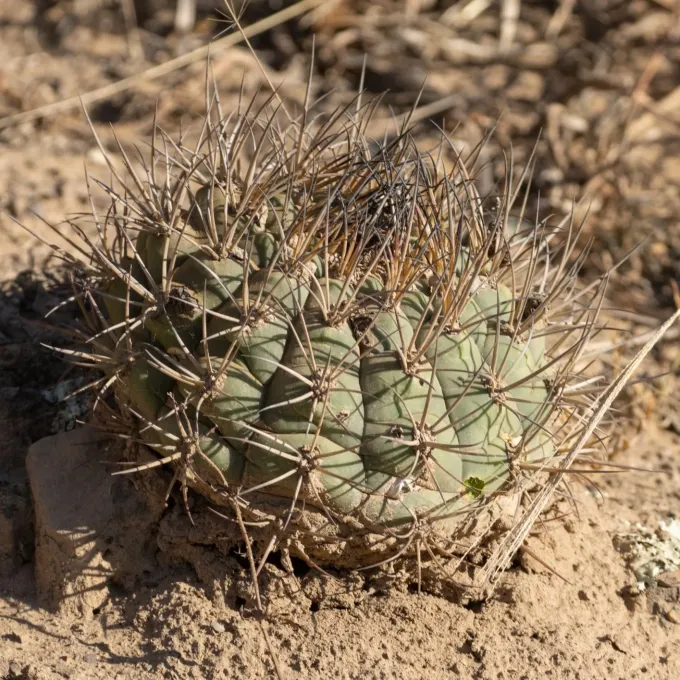
Description
Sowing dates
Gymnocalycium pflanzii belongs to the Cactaceae family and is typically propagated by seeds or offsets in horticultural settings.
The optimal time for sowing is during the spring months, from March to May, when increasing day lengths provide the necessary energy for seedling growth.
Seeds require a well-draining, sterile substrate mixture containing pumice or fine gravel to prevent damping-off diseases during the sensitive germination phase.
Keeping the containers covered and maintaining a constant temperature of 22-26 degrees Celsius is essential for high germination rates.
Seedlings should be kept in a protected environment for the first year, ensuring adequate light without direct harsh sun, and then transitioned to individual pots.
Growing requirements
Native to the arid regions of Bolivia, Paraguay, and Argentina, this species has evolved to thrive in rocky, well-draining soils and high sunlight exposure.
In cultivation, Gymnocalycium pflanzii demands a mineral-rich, porous soil mix that mimics its natural habitat and allows for rapid water drainage.
Light levels should be bright, but in peak summer, it is advisable to provide shade during the hottest hours to prevent the epidermis from bleaching or scorching.
Watering must follow the soak-and-dry method; the substrate should be allowed to dry out completely between waterings to prevent root system collapse.
A cool, dry winter rest period is crucial for this plant, with temperatures maintained between 5 and 10 degrees Celsius to encourage healthy spring growth.
Main diseases and pests
Root rot caused by overwatering or soil compaction is the primary threat to the longevity and health of Gymnocalycium pflanzii specimens.
Mealybugs are common pests that tend to hide in the deep ribs of the cactus, often requiring systemic insecticides for effective long-term control.
Spider mites can infest the plant in environments with low humidity, leaving characteristic webbing and discolored patches on the skin of the plant.
Regular inspection of the root collar and the soil surface is a necessary maintenance step to detect any signs of fungal invasion early.
Maintaining good airflow around the plants and avoiding water accumulation in the crown area will significantly reduce the risk of biological threats.