
Gymnocalycium neuhuberi
Gymnocalycium neuhuberi
Description
Sowing dates
Sowing seeds of Gymnocalycium neuhuberi is most effective during the spring months, allowing the seedlings to benefit from increasing daylight hours for vigorous growth.
The growing medium for seeds should consist of a sterile mixture of fine sand and peat, ensuring excellent drainage properties to support delicate root development.
Seeds are sown on the surface of the moist soil without covering them, and containers should be kept in a covered environment to maintain high ambient humidity.
An optimal temperature range of 22 to 25 degrees Celsius is essential for successful germination and early establishment of the young cactus plants.
Gradual acclimatization to lower humidity levels should begin once the first spines appear, ensuring that the seedlings do not suffer from sudden moisture loss.
Growing requirements
Gymnocalycium neuhuberi is a member of the Cactaceae family, natively found in the rugged, rocky terrain of Argentina, specifically in high-altitude environments.
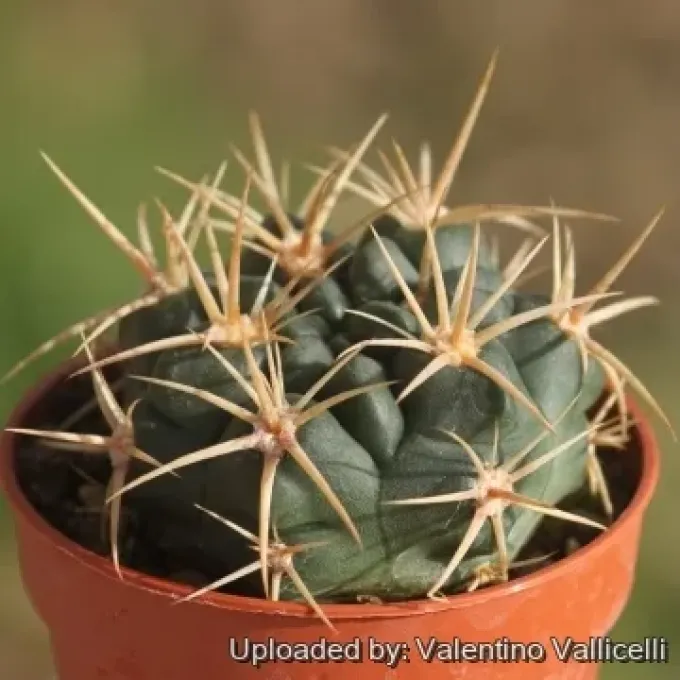
Botanically, it features a distinct globular stem with prominent ribs and dense spination, making it a highly sought-after specimen for cactus enthusiasts.
The plant requires bright, filtered light for optimal growth; excessive direct sunlight may result in stem scorching or discoloration of the cactus skin.
A well-draining, slightly acidic soil substrate is crucial, often supplemented with mineral components like volcanic rock or perlite to prevent root suffocation.
Watering practices must include a dry period between applications, as these plants are highly sensitive to stagnant moisture, especially during the dormant winter phase.
Main diseases and pests
The primary threats to the health of this species are root and stem rots, which typically develop due to overwatering or poorly aerated soil conditions.
Spider mites are common pests that thrive in dry indoor environments, causing significant damage by piercing the plant epidermis and causing unsightly scarring.
Mealybugs can also infest the plant, usually clustering in the deep crevices between the ribs where they are difficult to detect during early infection stages.
Control measures involve maintaining good airflow, proper spacing, and the judicious use of pesticides when an infestation is identified on the plant surface.
If rot is detected, immediate removal of the affected tissue followed by dusting with sulfur or charcoal powder is necessary to save the healthy remainder of the cactus.