
Gymnocalycium mucidum
Gymnocalycium mucidum
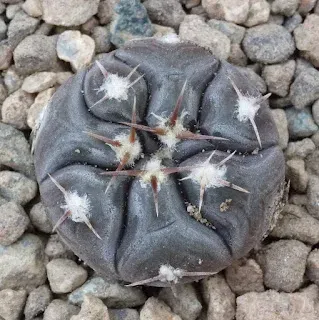
Description
Sowing dates
Seed propagation of Gymnocalycium mucidum is best performed in the early spring months. March or April provides the ideal natural light levels necessary for healthy seedling germination and initial development.
The substrate for sowing must be sterile and mineral-based, typically a blend of fine sand and volcanic grit. Ensuring the soil is free from pathogens prevents early damping-off, which is a major risk for young cactus seedlings.
Consistent temperatures around 22–25 degrees Celsius are vital for uniform germination. Keeping the seed tray under a glass cover or clear plastic ensures the humidity levels remain high enough for the tender seeds.
Once the spines begin to develop, the seedlings should be acclimated to a less humid environment. This gradual process strengthens the plantlets before they are transplanted into individual small pots.
As a member of the Cactaceae family, this species originates from the arid regions of Argentina. It is botanically adapted to endure harsh climatic conditions through its succulent, water-storing anatomy.
Growing requirements
This species thrives in bright, indirect sunlight. While it belongs to a sun-loving family, intense midday sun in some climates can scorch the stem, so filtered light or partial shade is highly recommended.
Soil structure is the most critical factor for successful cultivation. The medium must be highly porous, favoring mineral components over organic matter to ensure rapid drainage and prevent root rot.
During the growing season, temperatures between 20 and 28 degrees Celsius are preferred. Good airflow is essential, as stagnant air can lead to fungal issues and heat buildup around the plant.
A cool winter dormancy period is essential for the plant to rest and eventually bloom. During these months, the plant should be kept at 10–15 degrees Celsius with minimal to no water applied.
Watering should be approached with caution: only water when the substrate is completely dry to the touch. In the wild, these plants are accustomed to intermittent rainfall followed by long dry periods.
Main diseases and pests
Common pests such as spider mites and mealybugs can cause significant damage. These insects often hide in the grooves of the stem, weakening the plant by extracting its sap over time.
Root rot is the most devastating condition for Gymnocalycium mucidum, typically resulting from overwatering or inadequate soil drainage. Signs include soft or discolored tissues at the base.
Fungal infections can develop if the plant is kept in overly damp or poorly ventilated conditions. Regular monitoring for dark spots on the skin of the cactus is necessary for early detection.
To combat pests, use appropriate systemic insecticides or targeted biological controls. Preventive measures, such as maintaining proper spacing and dry conditions, are always superior to remedial treatment.
Healthy plants exhibit a robust, firm stem with a waxy appearance. Proper maintenance and environmental control significantly enhance the resilience of the cactus against common pathological threats.