
Gymnocalycium marsoneri
Gymnocalycium marsoneri
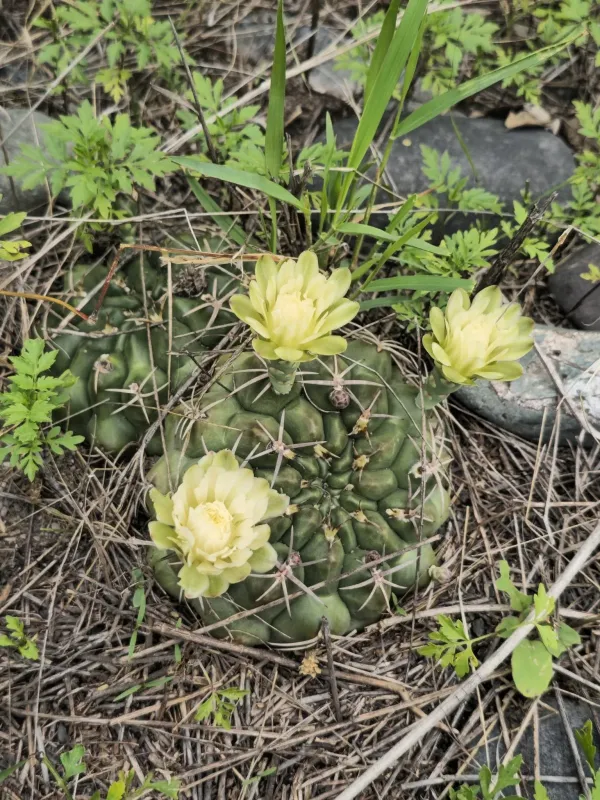
Description
Growing requirements
Gymnocalycium marsoneri is a notable species within the Cactaceae family, primarily recognized for its ornamental value. As a succulent, it is highly adapted to arid environments, making it a favorite for specialized cultivation in dry climates or greenhouse conditions.
Native to the northern provinces of Argentina, this species naturally inhabits rocky steppes and open spaces. Its biology is centered around maximizing water retention and surviving intense solar radiation, which dictates its specific needs in an agricultural setting.
The botanical structure consists of a globose, slightly flattened stem, characterized by distinct ribs and specialized areoles. The spines are typically thin and often press against the stem, providing a unique aesthetic appearance common to the genus.
Agricultural success with this crop relies heavily on the quality of the potting medium. It requires a well-draining, mineral-based substrate that mimics the rocky soils of its native habitat, ensuring that moisture does not remain stagnant around the delicate root system.
Environmental management involves maintaining bright, filtered sunlight and observing a strict dormancy period during the winter months. During this period, reducing water intake and lowering ambient temperatures to 10–12°C is essential to stimulate future flower production.
Main diseases and pests
The primary agricultural threats to this crop include infestations of spider mites and root mealybugs, which thrive in dry indoor environments. Additionally, poor drainage or excessive humidity can lead to fungal infections and rapid decay of the vascular tissues, requiring prompt intervention with fungicides or soil replacement.