
Gymnocalycium marekiorum
Gymnocalycium marekiorum
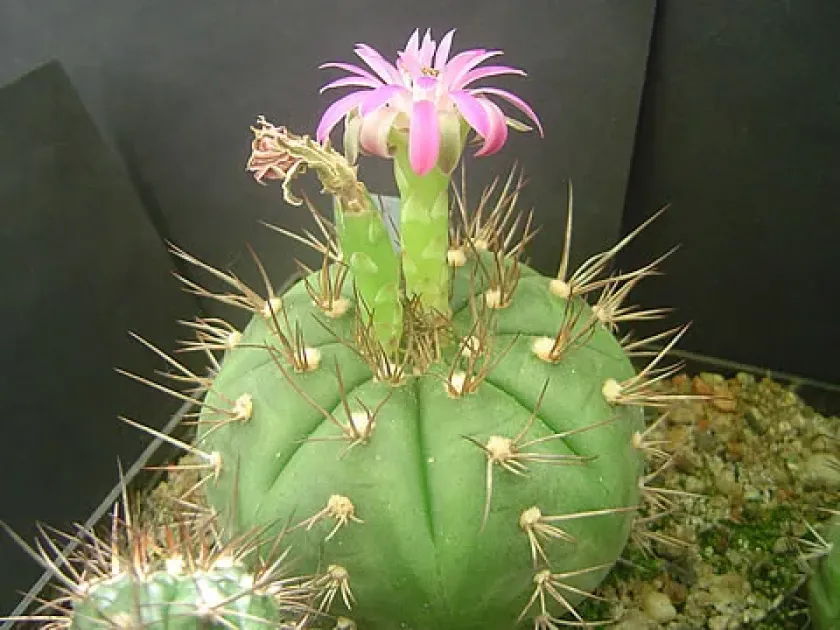
Description
Sowing dates
Sowing Gymnocalycium marekiorum seeds should ideally be done in the early spring, when the increasing daylight provides natural stimulation for germination. The process requires patience and sterile conditions to ensure success.
Use a well-draining, mineral-based substrate mixed with fine peat to ensure seeds remain in contact with moisture without being waterlogged. Seeds are sown on the surface and pressed gently into the substrate.
Maintain high humidity by covering the seedling trays with glass or transparent plastic. A consistent temperature of 22–25 degrees Celsius is critical for high germination rates.
Once seedlings appear, gradually increase ventilation to harden the young plants. This transition prevents fungal issues, which are common in stagnant, high-humidity environments.
Prick out the young cacti once they develop their first set of spines and show sufficient growth. This promotes stronger root development and allows individual plants to thrive without competition.
Growing requirements
Gymnocalycium marekiorum is a member of the Cactaceae family, native to the arid environments of South America. It is a slow-growing species that requires a stable environment to maintain its specific physical features.
The potting mix must provide excellent drainage. A recommended composition includes 50% inorganic material, such as pumice or coarse grit, mixed with organic cactus soil, ensuring no water remains around the base of the stem.
The plant thrives in bright, filtered light. While it loves sunshine, direct exposure to intense midday sun can scorch the epidermis, so a sheer curtain or partial shade is recommended during the summer.
During the growing season, water only when the substrate has completely dried out. The "soak and dry" method is the best practice for this species to avoid potential root rot issues.
A winter dormancy period is essential for the health of the plant. Keep it in a cool location (10–12 degrees Celsius) with absolutely no water, which prepares the cactus for a vigorous spring bloom.
Main diseases and pests
The most significant threat to Gymnocalycium marekiorum is fungal rot caused by overwatering. If the base of the plant feels soft or discolored, immediate action to dry out the soil and potentially unpot the plant is required.
Mealybugs are the most common pests, often settling in the crevices between the ribs of the cactus. Regular inspections with a magnifying glass can help identify them before an infestation takes hold.
Spider mites may affect the plant if the environment is too dry and lacks air circulation. These pests produce tiny webs and cause stippling on the surface of the cactus stem.
Treatment involves using targeted systemic pesticides or neem oil solutions. Always ensure the chemical treatment is suitable for cacti to avoid damaging the sensitive skin of the plant.
Prevention is key, involving good hygiene, avoiding overcrowding of pots, and ensuring proper airflow. Early detection of any pest or disease is vital for keeping this rare species in optimal condition.