
Gymnocalycium intertextum
Gymnocalycium intertextum
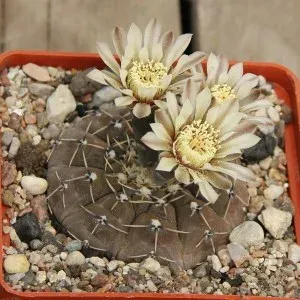
Description
Sowing dates
Sowing Gymnocalycium intertextum seeds is best performed during the spring months, specifically March or April, to take advantage of the increasing daylight hours. This timing allows young cacti to establish a robust root system before the onset of the winter dormancy period.
Use a sterile, well-draining substrate for sowing, consisting of a mix of potting soil, coarse sand, and perlite. Proper drainage is crucial to prevent the seeds from damping off, which is a common issue in succulent propagation.
Seeds should be sown on the surface of the moist soil and gently pressed down rather than buried. Covering the tray with clear plastic or glass helps maintain high humidity levels, which is vital for initial germination in temperatures ranging from 22 to 25 degrees Celsius.
Germination typically occurs within two to four weeks. During this time, it is important to provide bright but indirect light and ensure daily ventilation to prevent the growth of surface molds or algae.
Once the seedlings are large enough to handle, they can be transplanted into small individual pots. This transition requires careful adjustment, gradually reducing humidity to harden off the young plants for their long-term growth.
Growing requirements
Gymnocalycium intertextum is a member of the Cactaceae family, native to the arid regions of Argentina. In its natural habitat, it thrives on rocky slopes, necessitating a substrate that mimics these stony, porous environments.
This species requires bright, diffused light to maintain its characteristic compact shape and healthy coloration. While it enjoys sunshine, it should be protected from harsh, direct afternoon rays, which can scorch its skin.
During the growing season, temperatures between 20 and 30 degrees Celsius are optimal. In the winter months, the plant enters a period of dormancy and should be kept in a cooler, bright spot at temperatures around 10–15 degrees Celsius.
Watering must be strictly managed, allowing the soil to dry out completely between sessions. Excessive moisture, especially in cooler conditions, quickly leads to root rot, which is the most frequent cause of failure in cactus cultivation.
The choice of container is also critical; a pot with generous drainage holes is mandatory. Using a mineral-based potting mix with minimal organic matter will encourage healthy root development and prevent stagnant water at the base of the plant.
Main diseases and pests
Red spider mites are a common threat, particularly in dry and poorly ventilated conditions. They feed on the plant's juices, causing unsightly yellowing and pitting on the ribs of the cactus if left untreated.
Mealybugs are another frequent pest, appearing as small white cotton-like tufts between the cactus ribs. Regular inspection and the use of targeted systemic insecticides are necessary to keep these infestations under control.
Fungal rots are significant threats usually associated with improper watering habits or high humidity. Soft, dark, or sunken patches on the stem are symptoms that require immediate action, including trimming the rot and improving air circulation.
Root system pests can also impede growth, often going unnoticed until the plant starts showing signs of stress. Repotting into fresh, clean substrate is an effective way to monitor health and resolve hidden infestations.
Maintaining a high standard of hygiene in the greenhouse or collection is the best way to prevent outbreaks. Always quarantine new plants before introducing them to the main collection to avoid the spread of pests and diseases.