
Gymnocalycium hyptiacanthum
Gymnocalycium hyptiacanthum
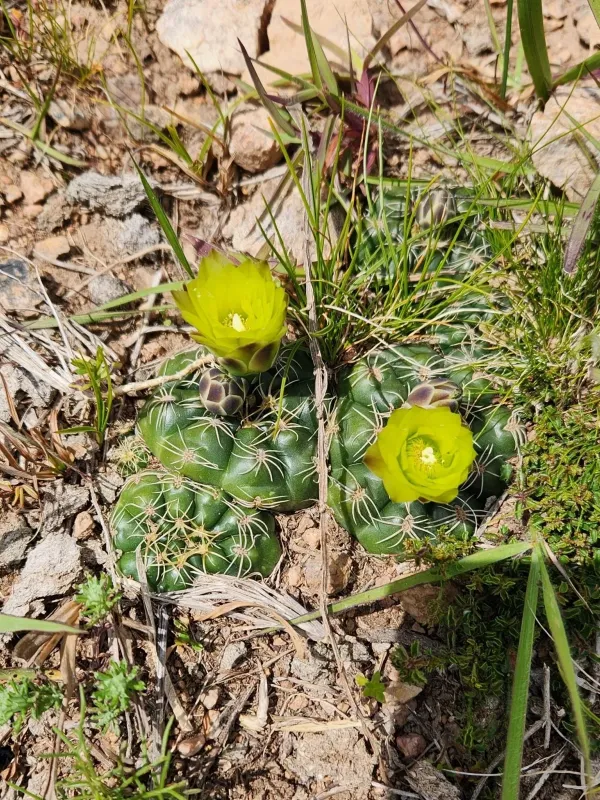
Description
Sowing dates
Propagation of Gymnocalycium hyptiacanthum is primarily achieved through seed sowing, which is best performed in early spring to coincide with increasing daylight hours.
The seeds should be sown on a fine-textured, sterile substrate composed of peat and sharp sand to ensure good drainage and prevent moisture-related issues.
Maintaining a consistent temperature between 22 and 26 degrees Celsius is essential for successful germination of this cactus species.
Seedlings should remain in a humid, enclosed environment for several weeks before being gradually introduced to lower humidity levels.
As the plants mature, they can be transplanted into individual pots, ensuring that the root system is handled with care to avoid damage.
Growing requirements
As a member of the Cactaceae family, this species originates from the temperate grasslands and rocky regions of South America, specifically Uruguay and Argentina.
The plant exhibits a characteristic spherical to flattened shape with prominent ribs, a feature common to the genus Gymnocalycium.
Optimal growth requires bright, indirect sunlight to preserve the natural coloration of the epidermis and prevent etiolation of the stem.
The soil mix must be highly porous, typically consisting of mineral-based grit, perlite, and a small amount of organic loam for nutrient uptake.
During the growing season, irrigation should be applied only after the substrate has dried out completely, mimicking the cycles of natural rainfall.
Main diseases and pests
The most common agricultural threat to this cactus is root rot, typically caused by waterlogged soil conditions and insufficient aeration of the roots.
Mealybugs are the primary pest concern, often hiding in the areoles where they feed on plant sap and weaken the overall structure.
Red spider mites may also infest the plant during hot and dry spells, leading to unsightly scars and reduced vitality of the cactus.
Implementing regular monitoring and the use of appropriate contact or systemic pesticides can effectively manage pest outbreaks.
- Improving soil drainage structures
- Practicing proper watering schedules
- Applying preventative fungal treatments