
Gymnocalycium denudatum
Gymnocalycium denudatum
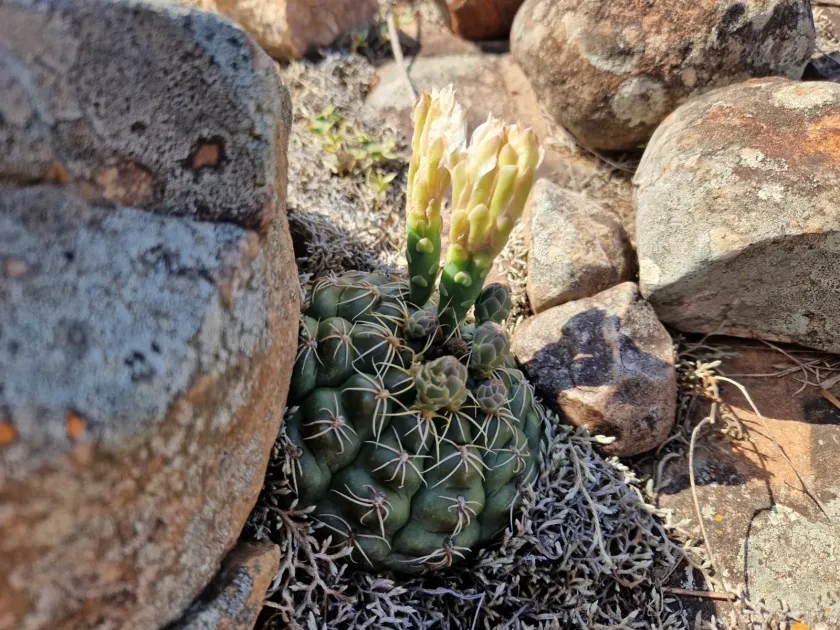
Description
Sowing dates
The sowing of Gymnocalycium denudatum seeds is best performed in early spring as daylight hours begin to increase. This timing ensures that young seedlings establish themselves before the onset of the dormant season.
Use a sterile, well-draining substrate composed of sandy soil and leaf mold. Seeds should be spread evenly over the surface without being buried too deeply, as they require light to germinate effectively.
To ensure high germination rates, cover the containers with glass or plastic wrap to maintain consistent humidity. A steady temperature of +22 to +25 degrees Celsius is critical for the success of the germination process.
Ventilate the containers daily to prevent fungal growth on the surface of the soil. Once the seedlings reach a sufficient size, usually a few months after sowing, they should be transplanted into individual pots.
For vegetative propagation, offsets or "pups" can be carefully separated from the parent plant. Allow the wound to dry for several days in a shaded, dry area before planting into a new substrate to avoid rot.
Growing requirements
Gymnocalycium denudatum is a member of the Cactaceae family, native to the regions of Brazil, Uruguay, and Argentina. It is a slow-growing, spherical cactus prized for its simplicity and aesthetic appeal.
This species thrives in bright, filtered light. While it enjoys a sunny environment, intense midday sun should be avoided to prevent epidermal scorching, which can permanently scar the plant.
The soil must be slightly acidic and porous. A standard cactus mix amended with additional grit or perlite is recommended to prevent water retention and promote healthy root aeration.
Seasonal care involves a distinct growing season during the spring and summer, followed by a cool, dry resting period in winter. Maintaining winter temperatures between +12 and +15 degrees Celsius is essential for winter dormancy.
Watering should be approached with caution. The substrate must dry out completely between waterings. During winter, reduce watering frequency significantly to simulate the natural arid habitat of the cactus.
Main diseases and pests
Fungal diseases are the primary threat, often resulting from overwatering or poor air circulation. Symptoms include soft, mushy tissues at the base of the stem, indicating root rot which can be fatal.
Spider mites are common pests that flourish in dry indoor environments. They pierce the surface of the cactus to feed, causing discolored patches and thin webbing, which can be treated with specific miticides.
Mealybugs are another frequent pest, often hiding in the crevices between the ribs of the cactus. Regular inspection of the plant is recommended, with early intervention using isopropyl alcohol or insecticidal soap.
To prevent disease outbreaks, avoid wetting the body of the cactus during watering. Keep the plant in an area with good ventilation to ensure that moisture does not accumulate on the plant surface.
If rot is detected, immediate action is required. Remove the affected plant from the pot, cut away the diseased tissue with a sterilized blade, and allow the remaining healthy part to callous before repotting.