
Gymnocalycium capillense
Gymnocalycium capillense
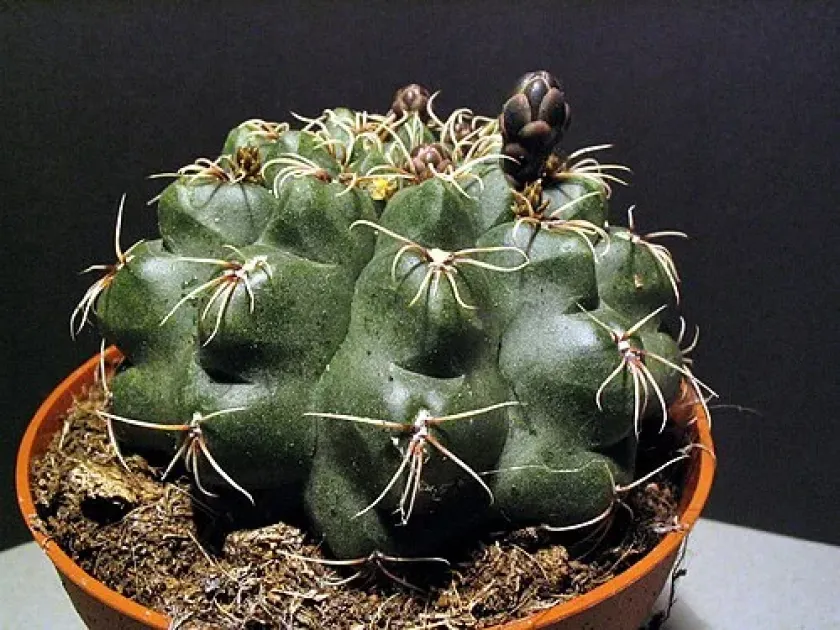
Description
Sowing dates
Propagation of Gymnocalycium capillense is primarily achieved through seeds sown during the spring season. The ideal sowing period is from March to May, when warmer temperatures stimulate germination.
Seeds should be sown on a sterile, well-draining mineral substrate consisting of sand and fine grit. It is essential to maintain a high humidity level under a cover until the seeds germinate.
A stable temperature range of 22 to 25 degrees Celsius is critical for successful seed development. Once the seedlings appear, provide bright indirect light to prevent the plants from etiolating.
Pricking out the young cactus plants is recommended after they reach a sufficient size to handle safely. This usually occurs within the first year of growth, ensuring they are placed in individual small pots.
Vegetative propagation via offsets is rare as this species produces very few side growths. If an offset is available, it must be dried for several days to callus before placing it in dry, gritty soil.
Growing requirements
Gymnocalycium capillense is a member of the Cactaceae family, naturally occurring in the rocky, arid habitats of the Cordoba and San Luis provinces in Argentina. It thrives in high-light conditions.
The culture requires a mineral-based substrate that is low in organic matter and slightly acidic. Good drainage is the most important factor in the potting medium to avoid root asphyxiation.
Place the plant in a location with plenty of bright, diffused sunlight. During the hottest summer months, mild shading is beneficial to prevent the skin of the cactus from bleaching or burning.
Watering should be meticulous, allowing the soil to dry out completely between sessions. During the winter rest period, stop watering entirely and move the plant to a cooler, dry spot at around 10 degrees Celsius.
Proper air ventilation is essential to mimic the plant's natural environment and prevent fungal growth. Avoid using oversized pots, as they retain too much moisture and can lead to root system failure.
Main diseases and pests
Root rot is the most common ailment associated with Gymnocalycium capillense, usually caused by overwatering or poor-quality substrate that holds moisture for too long.
Mealybugs are frequent pests that nestle in the crevices between the ribs of the cactus, feeding on sap. Treatment involves wiping the pests with isopropyl alcohol or using systemic insecticides.
Spider mites can become an issue if the ambient environment is excessively dry and warm. Their feeding damage leaves characteristic yellowish or rusty-colored scarring on the epidermis.
Improper winter storage, if coupled with damp conditions, often results in fungal infections that manifest as dark, soft spots on the plant body.
- Root rot (Phytophthora)
- Mealybugs
- Spider mites
- Fungal skin infections