
Gymnocalycium bruchii
Gymnocalycium bruchii
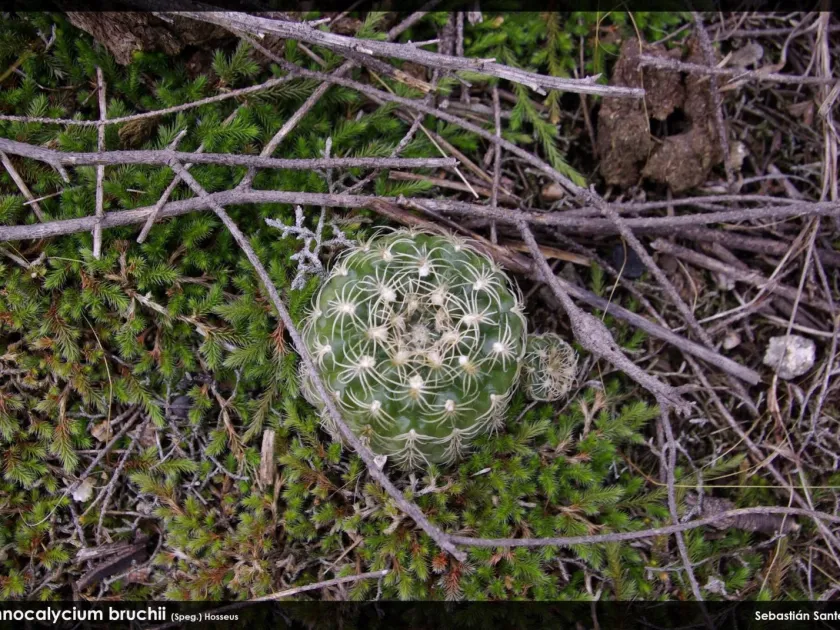
Description
Growing requirements
Gymnocalycium bruchii is a dwarf cactus species belonging to the Cactaceae family, native to the mountainous regions of Argentina. Botanically, it is characterized by its small, clustering habit, where the mother plant produces many offsets, eventually forming a dense, rounded mound.
The cultivation requirements focus on a well-draining, slightly acidic soil substrate. A mix of peat, coarse sand, and perlite is ideal. The plant requires a container with sufficient drainage holes to prevent root rot, which is the most common cause of failure in succulent husbandry.
This species thrives in bright, filtered light. While it can handle some direct morning sun, intense afternoon exposure may cause scorching. Providing consistent ventilation is crucial to mimic its natural highland habitat and to prevent the development of physiological disorders.
Agrotechnical practices involve a strict seasonal rhythm. During the active growth phase (spring to autumn), water should be applied only when the substrate is completely dry. During winter dormancy, the plant must be kept dry and cool, ideally between +8°C and +12°C, to ensure flower bud development.
Commercially and recreationally, the plant is highly valued for its decorative appeal. It is a staple in cactus collections worldwide due to its ability to bloom prolifically with bell-shaped, pinkish-white flowers, even while the specimen is still relatively small in size.
Main diseases and pests
The primary pests for Gymnocalycium bruchii are mealybugs, which often colonize the crevices between the tubercles. Periodic inspection and localized treatment with isopropyl alcohol or systemic insecticides are effective management strategies.
Spider mites are also a common threat, particularly in environments with low air circulation and high temperatures. Maintaining humidity around the plant without creating a wet soil environment helps mitigate this risk.
Root rot, driven by fungal pathogens like Phytophthora, is the most critical threat. It is almost always a result of overwatering or poor drainage. Infected plants often show softening of the stem and rapid decay of the root system.
Improper wintering conditions, such as warm temperatures combined with damp soil, lead to etiolation and increased susceptibility to opportunistic infections. A clear rest period is essential to maintain plant vigor.
To ensure healthy growth, growers should avoid over-fertilization, as excess nutrients can weaken the cell walls, making the plant more vulnerable to sucking pests and fungal attack.