
Gymnocalycium berchtii
Gymnocalycium berchtii
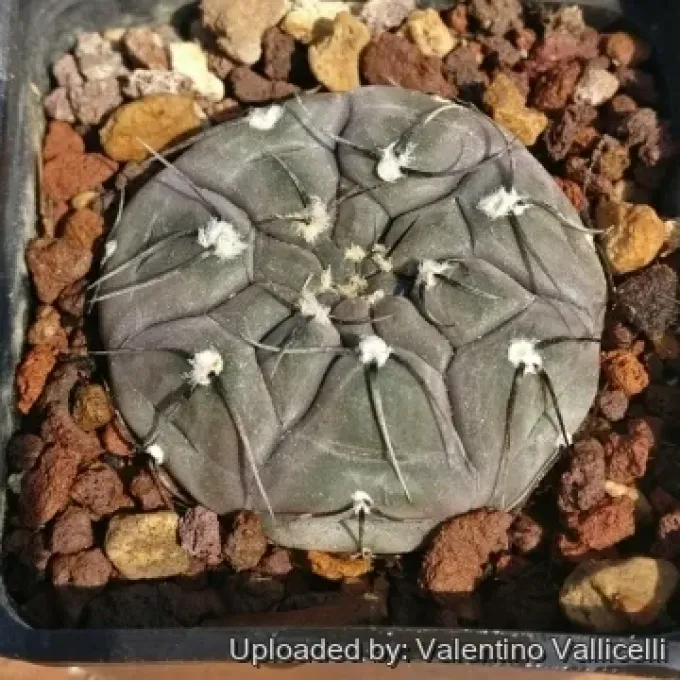
Description
Growing requirements
Gymnocalycium berchtii is a small, slow-growing member of the Cactaceae family. Native to the San Luis province in Argentina, this species is highly prized among succulent collectors for its unique epidermal coloration and relatively compact, globular habit.
The plant requires bright, filtered light to maintain its characteristic shape and color intensity. Exposure to harsh, direct sunlight during the peak summer hours should be avoided to prevent epidermal scorching, while insufficient light may cause etiolation.
A highly porous and well-draining soil mix is essential for this species. A recommended substrate includes a mix of mineral components like pumice, lava rock, and coarse sand, with only a small portion of organic matter such as peat or sieved leaf mold.
Watering should be approached with caution, adhering strictly to the "soak and dry" method. During the active growing season, water the plant only when the substrate has dried out completely; in the winter dormant phase, water should be withheld almost entirely.
Temperature management is crucial for the health of Gymnocalycium berchtii. During the growing season, it thrives in standard warm temperatures, while winter dormancy requires a cool environment ranging from 8 to 12 degrees Celsius to stimulate future blooms.
Main diseases and pests
Root rot is the most significant threat to this species, usually resulting from poor drainage or excessive watering in cold temperatures. Once root rot takes hold, it can quickly spread to the main stem, often leading to irreparable damage.
Spider mites are common pests that thrive in the dry, warm environments where cacti are kept. They feed on the succulent tissue, causing unsightly, discolored patches on the skin of the cactus that can leave permanent scarring.
Mealybugs can also infest the plant, hiding in the crevices between the ribs or around the root system. Regular inspections and the use of systemic insecticides are effective measures to maintain a healthy collection.
Poor ventilation is a hidden danger that encourages fungal growth. Ensuring adequate airflow in the growing area helps keep the surface of the plant dry and prevents the development of mold or rust-like fungal infections.
Early detection is vital for successful treatment. If pests or diseases are identified, isolating the affected specimen and applying targeted horticultural treatments will significantly increase the chances of recovery.