
Gymnocalycium andreae
Gymnocalycium andreae
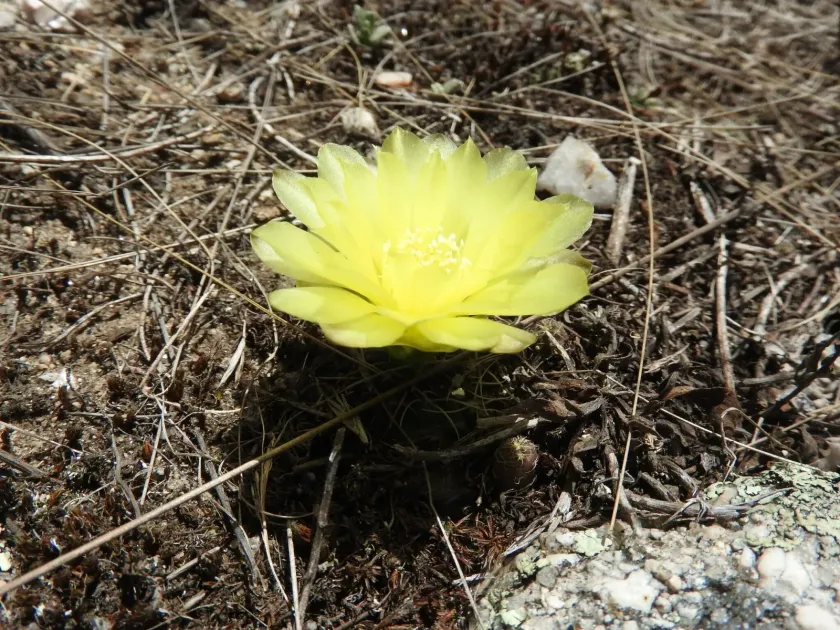
Description
Sowing dates
Sowing seeds of Gymnocalycium andreae is best performed in the spring when daylight hours increase steadily. The optimal window for sowing typically spans from March to May for maximum germination success.
Seeds require a sterilized substrate to minimize the risk of fungal pathogens during the early development stages. Using a well-draining, loose soil mix composed of fine sand and peat is essential for healthy sprout growth.
Maintaining consistent humidity and a temperature range of 22–25 degrees Celsius is crucial during the germination process. Ensure the containers are placed in bright, indirect light to prevent the delicate seedlings from scorching or stretching.
Pricking out the seedlings occurs once they develop their first set of thorns, usually a few months after germination. Gentle handling at this stage is necessary to avoid damaging the root system, which is very sensitive in young specimens.
Gradually acclimating the young plants to standard cactus conditions over several months will ensure better survival rates and stronger physical development.
Growing requirements
Native to the mountain regions of Córdoba, Argentina, Gymnocalycium andreae thrives in bright, filtered light. Protecting the plant from harsh afternoon sun is necessary to prevent skin damage and potential burns.
The soil should be slightly acidic or neutral, featuring excellent drainage properties. A mixture containing coarse sand, pumice, and organic potting soil works best to replicate the natural stony habitats of this species.
Watering must be done sparingly, specifically allowing the soil to dry out completely between waterings. During the growing season, consistent but infrequent hydration promotes steady growth and prevents root rot caused by stagnant water.
A cool winter dormancy period is essential for successful flowering in the spring. Keeping the plant in a dry, ventilated area at temperatures around 10–12 degrees Celsius helps simulate its natural cycle.
Using specialized cactus fertilizers with low nitrogen content during the growth phase supports overall plant health without stimulating excessive, weak vegetative growth.
Yield
The primary use of Gymnocalycium andreae is in ornamental and collectible cactus gardening. This species is highly valued for its beautiful, bright yellow blooms and its ability to cluster into attractive, compact mounds.
Propagation is commonly achieved through offsets that naturally form at the base of the main stem. This method is highly effective for increasing one's collection and is the preferred way for hobbyists to multiply their plants.
While not a commercial agricultural crop, the species has significant market value within the nursery and succulent trade. Rare forms or specific habitat variants remain highly sought after by collectors worldwide.
The longevity of this cactus is impressive, often surviving for decades with minimal intervention, making it a sustainable choice for long-term interior decoration. It is a staple in many desert-style plant compositions and dedicated cactus collections.
Professional nurseries often focus on maintaining genetic purity and offering high-quality, disease-free specimens to enthusiasts and botanical gardens.
Main diseases and pests
Spider mites are the most common pest affecting this species, particularly in low-humidity environments. Regular inspection and the application of appropriate acaricides can effectively manage these infestations.
Root mealybugs can silently damage the plant, causing it to wither and cease growing. Inspecting the roots during repotting and treating the substrate with systemic insecticides is the standard approach for eradication.
Fungal infections and stem rot are the primary risks associated with overwatering and poor air circulation. Ensuring the pots have large drainage holes and using well-aerated soil are the best preventative measures.
Physiological damage like corking or scarring often occurs due to sudden environmental shifts or exposure to extreme temperatures. Maintaining stable conditions helps the plant preserve its characteristic aesthetic appearance.
Proactive monitoring and following a consistent care regimen significantly reduce the likelihood of pest outbreaks and disease, ensuring the healthy growth of your collection.