
Espostoa melanostele
Espostoa melanostele
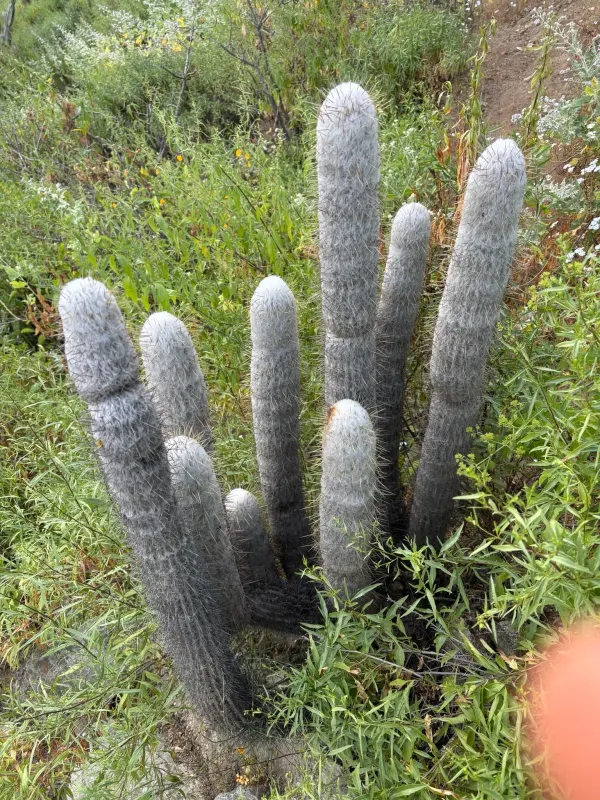
Description
Sowing dates
Sowing seeds of Espostoa melanostele is typically carried out in early spring to take advantage of increasing daylight hours. Use a porous, sterile substrate consisting mostly of fine sand and perlite to prevent damping-off diseases.
Spread the seeds on the moist surface without burying them deep, then cover with a thin layer of sand. Place the pots in a warm spot, ideally with a constant temperature between 22 and 25 degrees Celsius to encourage germination.
Maintaining high humidity is crucial during the germination phase, which is why covering containers with glass or plastic is recommended. However, daily ventilation for at least 30 minutes is necessary to refresh the air.
Once the seedlings emerge, they should be kept in a bright, indirect light environment. Gradually reduce the humidity levels to harden the young cacti over the next few months as they grow their first spines.
Transplanting into individual pots should only happen once the plantlets are mature enough, usually after one or two full growing seasons. This delicate operation requires careful handling of the roots to avoid transplant shock.
Growing requirements
Espostoa melanostele, a member of the Cactaceae family native to the high-altitude regions of Peru, is highly valued for its striking woolly appearance. It requires intense sunlight to maintain its dense white hair coverage, which acts as a protective shield.
A well-draining mineral soil mix is essential for the health of this species. A standard recipe includes one part cactus potting soil mixed with three parts inorganic components like gravel, pumice, or coarse sand.
Watering should be managed carefully, especially in summer. The soil must be allowed to dry out completely between waterings to prevent root rot, as this species is extremely intolerant of standing water in the root zone.
During the dormant winter season, the plant requires a cool and dry environment, with temperatures ranging from 10 to 12 degrees Celsius. During this time, water should be withheld almost entirely to simulate natural conditions.
Proper air circulation is necessary throughout the year to prevent the buildup of moisture and to deter mold growth in the dense woolly fibers of the stem. A shelf with good airflow is an ideal location.
Main diseases and pests
Root rot is the most common and fatal threat to Espostoa melanostele, often caused by overwatering or soil that retains too much moisture. The plant usually shows no symptoms until the rot has progressed significantly.
Mealybugs are frequent pests that infiltrate the woolly coating, making them difficult to detect early. Regular inspection of the stem and rib interstices is vital for the early identification of these pests.
Spider mites can also be problematic if the plant is grown in overly dry and stagnant air. These pests cause discoloration and disfigurement, significantly reducing the aesthetic value of the specimen.
To combat infestations, systematic pesticides applied via spray are generally effective. Care should be taken to ensure the pesticide does not mat or stain the white woolly layer, which is difficult to clean.
Maintaining a healthy, clean environment through preventive care is the best defense against pests. Regularly cleaning the collection area and ensuring no debris is left around the pots helps in keeping the plants safe.