
Espostoa frutescens
Espostoa frutescens
Description
Growing requirements
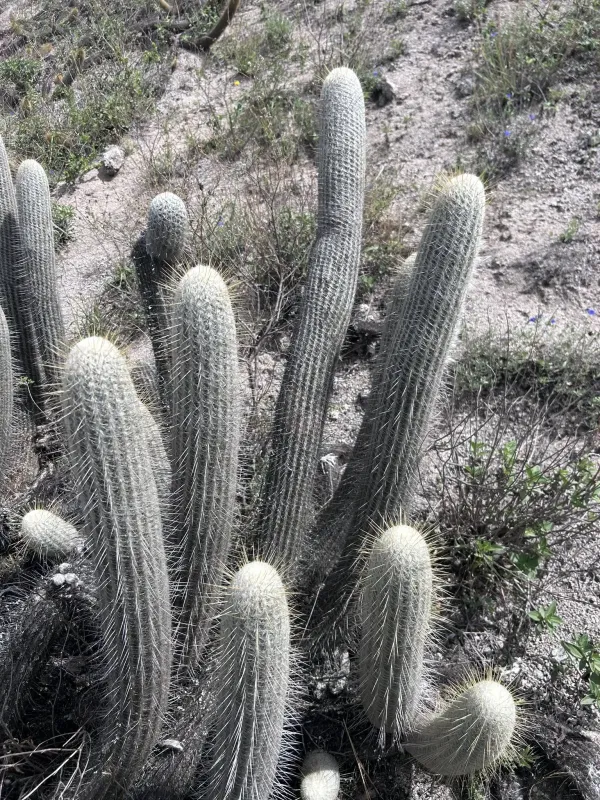
Espostoa frutescens is a distinct species within the Cactaceae family, known for its shrubby growth habit and densely covered surface of trichomes. Unlike other species in the genus, this cactus displays a characteristic branching structure that makes it highly valuable in horticulture.
Native to the arid regions of Peru, this culture thrives in high-altitude environments. Its adaptation to harsh, rocky soils and fluctuating mountain temperatures is a key factor that agronomists must consider when planning greenhouse cultivation conditions.
The crop requires high levels of light throughout the year to maintain its compact form and dense hair growth. However, protection from intense midday sun is essential to prevent physiological stress and sunburn on the succulent stems.
Soil management for Espostoa frutescens focuses on extreme porosity and drainage. A professional mix should consist primarily of inorganic materials such as pumice, perlite, and coarse sand to ensure oxygen reaches the roots and moisture evaporates quickly.
Watering requirements are strictly seasonal; the plant requires a dry dormancy period during cooler months to mimic its natural environment. Improper moisture control is the leading cause of failed cultivation and potential loss of the crop.
Main diseases and pests
The primary pests affecting this cactus are mealybugs and spider mites, which exploit the dense hair of the stem to hide from visual inspections and chemical treatments. Integrated pest management strategies using systemic insecticides are recommended.
Fungal pathogens causing root rot and stem necrosis are significant risks if the drainage system is inadequate or if ambient humidity remains too high for extended periods. Maintaining good air circulation is the most effective cultural method to mitigate these threats.