
Echinopsis yuquina
Echinopsis yuquina
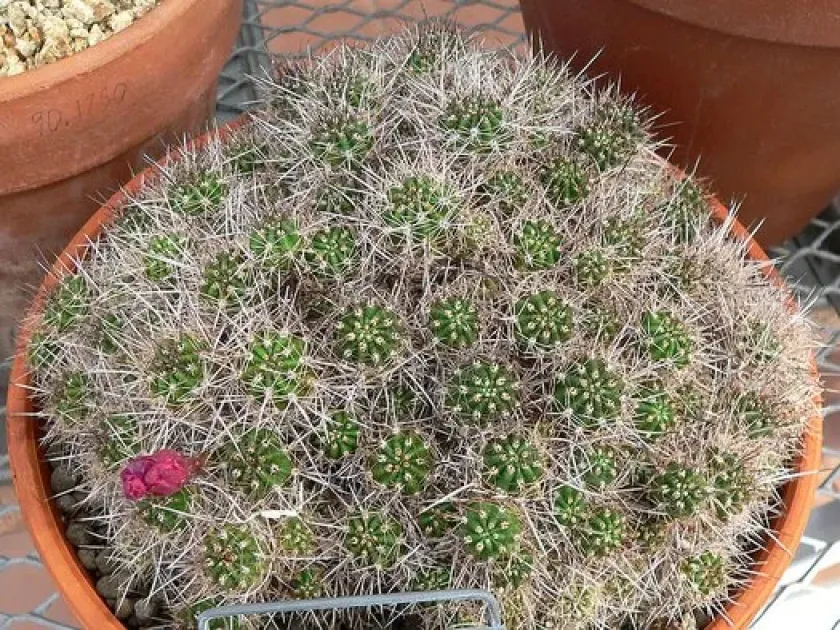
Description
Growing requirements
Echinopsis yuquina belongs to the Cactaceae family, a group of succulent plants renowned for their ability to thrive in arid environments. It is native to the rugged terrains of Bolivia, where it adapted to intense solar radiation and periodic moisture scarcity.
The plant exhibits a spherical to columnar stem structure with pronounced ribs, which allows it to expand its surface area for water storage. These ribs are punctuated by areoles that produce distinctive spines, serving as protection against environmental stressors.
Agronomic success with this species depends heavily on light exposure. It requires bright, direct sunlight to maintain its structural integrity. In indoor cultivation, providing a southern exposure is essential to prevent etiolation and maintain a natural growth habit.
The choice of substrate is critical, as it must facilitate rapid drainage. A mixture containing pumice, coarse sand, and a minimal amount of organic matter is ideal for mimicking the stony soils of its natural habitat in the Andes.
Temperature management should follow seasonal cycles, with active growth occurring during warm periods. A dormant phase during winter, characterized by cool temperatures (around 10-12°C) and negligible irrigation, is necessary for reproductive health.
Main diseases and pests
Root rot is the most significant threat to Echinopsis yuquina, usually triggered by improper watering schedules or poor soil drainage. The pathogen infiltrates the root system, causing the plant base to soften and discolor rapidly.
Spider mites are common arthropod pests that target these cacti, particularly in environments with very low humidity. They feed on the epidermal cells, leaving characteristic yellow or white stippling that can mar the plant's aesthetic value.
Mealybugs are another recurring pest, often found nestled deep between the ribs of the cactus. Their presence is marked by white, cotton-like masses, which necessitate targeted treatment with systemic insecticides or localized cleaning.
Fungal infections can also arise from mechanical damage to the plant's skin, followed by exposure to high humidity. Maintaining a dry environment and ensuring excellent air circulation are the primary defenses against such opportunistic pathogens.
Regular maintenance, including careful inspection of the stem's surface and the root zone, is essential for prevention. When using chemical treatments, it is vital to follow recommended dosages to avoid phytotoxic damage to the succulent's epidermis.