
Echinopsis uyupampensis
Echinopsis uyupampensis
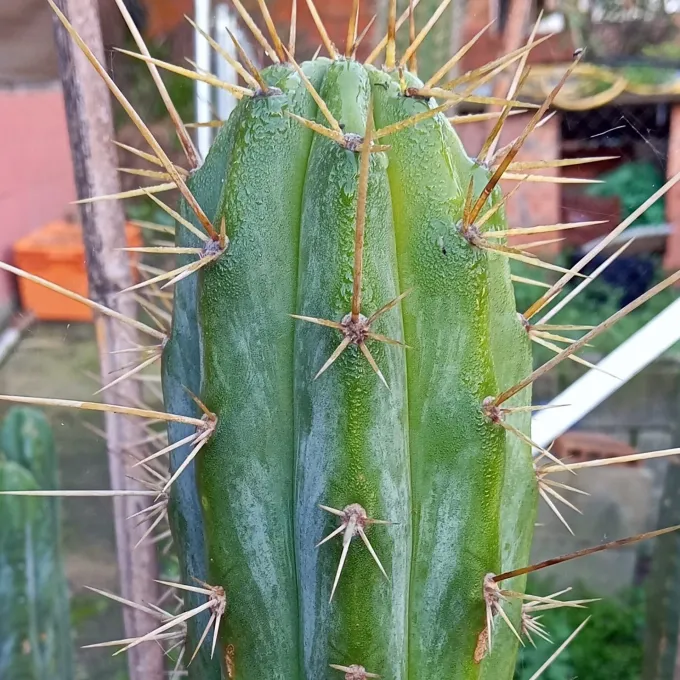
Description
Growing requirements
Echinopsis uyupampensis is a perennial succulent plant belonging to the Cactaceae family. This species originates from the high-altitude terrains of Peru, where it thrives in rocky environments and well-draining mountainous slopes.
The botanical structure of this cactus is characterized by its cylindrical stems and dense spine cover, which act as a defense mechanism against local fauna and help regulate the plant's internal water balance in high-sunlight conditions.
To cultivate this plant successfully, one must replicate its natural high-altitude environment. This includes providing high-intensity light exposure and ensuring a significant temperature difference between day and night cycles to promote healthy growth.
The growing medium should consist primarily of mineral components such as coarse sand, gravel, and perlite. A heavy organic substrate is strictly discouraged, as the plant is highly sensitive to moisture accumulation around the roots, which can lead to rapid decay.
The primary utility of Echinopsis uyupampensis lies in the field of ornamental horticulture. It is highly sought after by collectors for its unique morphological features and its ability to withstand extreme environmental stress when kept under proper agricultural management.
Main diseases and pests
The most critical threat to Echinopsis uyupampensis is root rot, which typically occurs due to poor soil aeration or excessive moisture during the dormant season. Ensuring proper drainage is the most effective preventative measure against these fungal issues.
Pests such as spider mites and mealybugs present a continuous threat, particularly in greenhouses with stagnant air. Maintaining optimal airflow and periodically inspecting the plant's ribs and areoles are essential components of integrated pest management for this culture.