
Echinopsis lageniformis
Echinopsis lageniformis
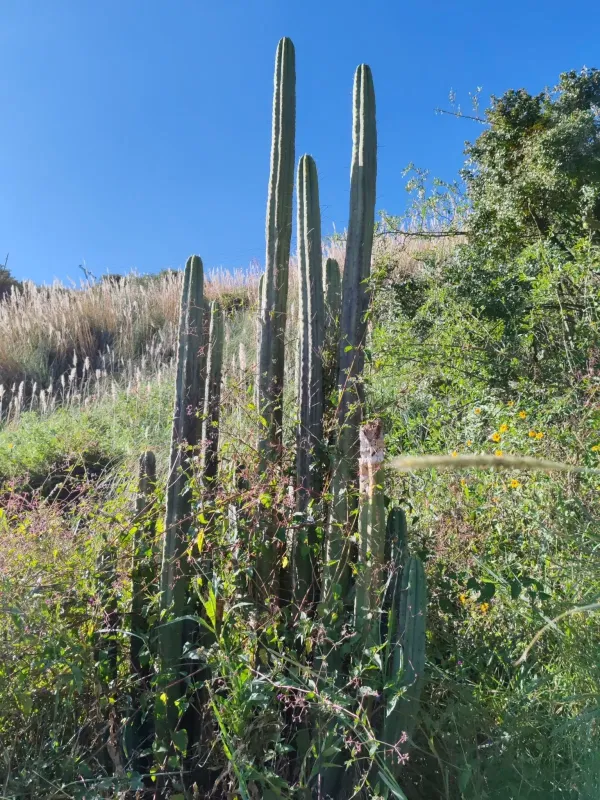
Description
Sowing dates
Echinopsis lageniformis, a member of the Cactaceae family, is propagated through seeds or stem cuttings. Seed sowing is ideally performed in the spring to capitalize on increasing day length and warmer temperatures, which facilitate germination.
Seeds should be sown in a sterilized, free-draining substrate composed primarily of fine sand and perlite. Maintaining a consistent temperature between 22–25 degrees Celsius and high humidity is crucial for successful seedling establishment.
Stem cuttings are a reliable method for cloning mature specimens. Cuttings must be taken with a clean blade and allowed to callous in a shaded, dry area for several days before being inserted into a grit-heavy medium.
Avoid watering the cuttings for the first week to allow the basal tissues to heal, preventing infection. Once rooting commences, water sparingly to encourage the development of a healthy and robust root system.
Young seedlings are highly sensitive to direct sunlight and should be kept under filtered light conditions until they have developed their protective spines and hardened tissues.
Growing requirements
Originating from the arid landscapes of Bolivia, this species is highly adapted to intense light and periods of drought. It possesses a columnar growth habit that can reach significant heights, requiring a stable substrate in pot culture.
The soil profile must prioritize drainage above all else. A standard mix should include pumice, coarse sand, and a minimal amount of organic material to prevent water retention around the roots, which is fatal to the plant.
This species requires full, direct sun to maintain its structural integrity and health. Inadequate light exposure leads to etiolation, where the stem becomes thin, pale, and weakened, making the plant susceptible to environmental stress.
During the active growth season, water the plant only when the soil has dried out completely. Winter care mandates a dry dormancy period at cooler temperatures, generally between 10–12 degrees Celsius, to simulate its natural cycle.
Fertilization should be limited to the peak of the growing season using low-nitrogen, high-potassium liquid fertilizers. Excessive nitrogen promotes rapid, weak growth that reduces the plant's natural resilience.
Main diseases and pests
The primary threats to Echinopsis lageniformis are fungal pathogens caused by overwatering or poor ventilation. Root rot is the most common issue, often leading to irreversible tissue damage if not addressed immediately.
Pest management is focused on controlling spider mites, which thrive in low-humidity environments, and mealybugs, which often colonize the areoles. Regular visual inspections are vital for early detection of these parasites.
Chemical control involving systemic insecticides or acaricides may be necessary if infestations are severe. However, maintaining good air circulation is a more effective long-term preventative strategy against most common pests.
Mechanical damage to the cactus skin should be treated promptly with a dusting of activated charcoal or sulfur powder to prevent opportunistic bacterial and fungal colonization of the wound.
To ensure long-term health, growers should avoid cold and damp conditions simultaneously. The combination of humidity and low temperatures provides an ideal breeding ground for pathogens that attack the plant's vascular system.