
Echinopsis haematantha
Echinopsis haematantha
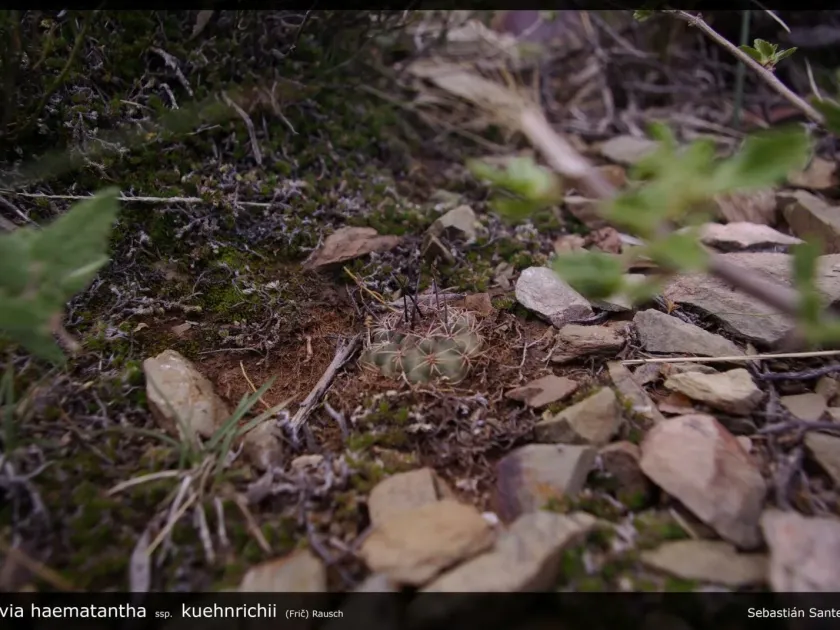
Description
Sowing dates
Propagating Echinopsis haematantha from seeds requires a stable environment and attention to detail. Sowing is best performed in early spring when natural light levels begin to rise, providing the necessary energy for seedling development.
A sterilized, well-draining substrate composed of sand and perlite is essential for seed germination. The surface should be kept consistently moist but not waterlogged to prevent fungal growth on the seeds.
Optimal germination occurs at temperatures between 22 and 25 degrees Celsius. Maintaining high humidity under a cover is crucial during the first two weeks until the spines begin to emerge.
As the seedlings mature, ventilation should be gradually increased to harden off the plants. Direct sunlight should be avoided in the very early stages to prevent the tender epidermis from burning.
Vegetative propagation using offsets is a more efficient method for experienced growers. Ensure that offsets are calloused for a few days before planting them in a dry, mineral-rich medium.
Growing requirements
Echinopsis haematantha is a member of the Cactaceae family, native to the arid mountainous regions of Argentina. Its morphology is characterized by a globular stem with prominent ribs and dense, stiff spines adapted for protection.
This species requires high levels of solar radiation to maintain its structural integrity. Insufficient light will result in etiolation, where the plant grows weak, pale, and loses its natural compact appearance.
The soil requirements focus on drainage and aeration. A standard commercial cactus mix enriched with additional pumice or coarse grit is ideal to prevent the accumulation of moisture near the root neck.
Watering protocols must follow a seasonal cycle. During the growing season, water should be applied only when the soil has completely dried out, while in winter, the plant requires a cool, dry dormant period.
Maintaining a dry atmosphere is vital, as excessive humidity can lead to skin blemishes and susceptibility to infections. Good air circulation in the growing space is highly recommended for long-term health.
Main diseases and pests
Spider mites are a common threat, especially in hot and dry environments with poor ventilation. They feed on the sap of the cactus, leaving behind fine webbing and discoloration on the stem surface.
Mealybugs are another frequent pest that can colonize the plant, hiding in the crevices between the ribs. These pests can rapidly weaken the plant by draining its nutrients and secreting honey dew.
Root rot is the most devastating disease for this cactus, usually caused by overwatering or using soil that retains too much moisture for too long. Once rot reaches the core, the plant is difficult to save.
Chemical control involving systemic insecticides and miticides is effective if administered promptly upon the first signs of infestation. Regular inspection of the plant's epidermis is a necessary maintenance task.
Cultural prevention remains the best defense. Ensuring adequate drainage, correct sunlight exposure, and a proper dormant period will naturally increase the plant's resistance to most common diseases.