
Echinopsis cuzcoensis
Echinopsis cuzcoensis
Description
Growing requirements
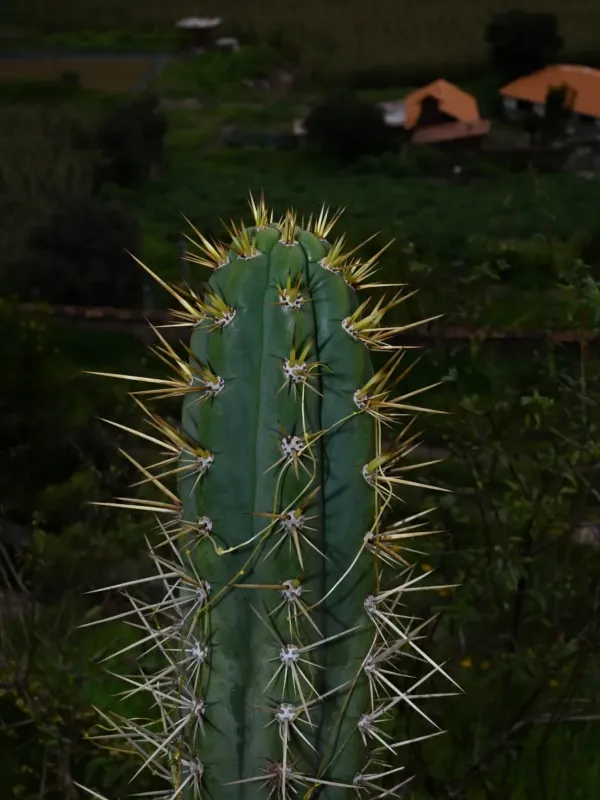
Echinopsis cuzcoensis is a robust, column-shaped cactus species belonging to the Cactaceae family. Native to the high-altitude regions of Peru, this plant is known for its impressive stature and structural resilience, often growing in clusters that mimic the harsh mountain terrain of its origin.
The botanical characteristics include prominent ribs armed with strong, sharp spines, which act as a defense mechanism against herbivores and help mitigate water loss in arid environments. Its growth form is typically erect, allowing it to absorb maximum sunlight even in difficult topographic conditions.
In terms of agricultural requirements, this species demands excellent drainage. The ideal substrate should be composed of mineral-based components such as volcanic rock, coarse sand, and perlite, which facilitate the rapid drainage of excess moisture and ensure essential root aeration.
Climate conditions must replicate a semi-arid habitat. During the active growing season, Echinopsis cuzcoensis thrives in high-light intensity with temperatures ranging from 22°C to 30°C. Proper ventilation is essential to prevent the accumulation of heat and to avoid moisture-related issues.
Winter dormancy is a critical phase for this plant. To maintain its biological integrity, it should be kept in a dry, cool environment, ideally between 8°C and 12°C. During this time, irrigation must be completely suspended to encourage the hardening of tissues and prepare the plant for the next cycle.
Main diseases and pests
The most significant threats to Echinopsis cuzcoensis involve fungal pathogens, particularly those causing stem and root rot. These diseases are almost exclusively triggered by inadequate soil drainage or excessive humidity coupled with poor airflow around the cactus body.
Spider mites are the most persistent insect pests, typically attacking the succulent’s softer tissues. Their feeding patterns result in unsightly scarring and chlorosis, which can permanently damage the aesthetic and health of the columnar stem if not managed with targeted acaricides.
Mealybugs represent another common challenge, frequently hiding in the narrow gaps between the plant's deep ribs. Because they are protected by waxy secretions, systemic insecticides are the most reliable method for controlling their population within the plant tissues.
Root-feeding pests can compromise the plant's stability and nutrient uptake. If the growth of the cactus suddenly stalls or the stem begins to wobble, it is often an indication of subterranean damage that requires immediate investigation and potential root treatment.
Effective management strategies rely on rigorous sanitation and the use of sterile growing media. By maintaining an environment that promotes rapid drying of the substrate and performing periodic inspections for pests, growers can prevent the majority of health issues associated with this species.