
Echinopsis camarguensis
Echinopsis camarguensis
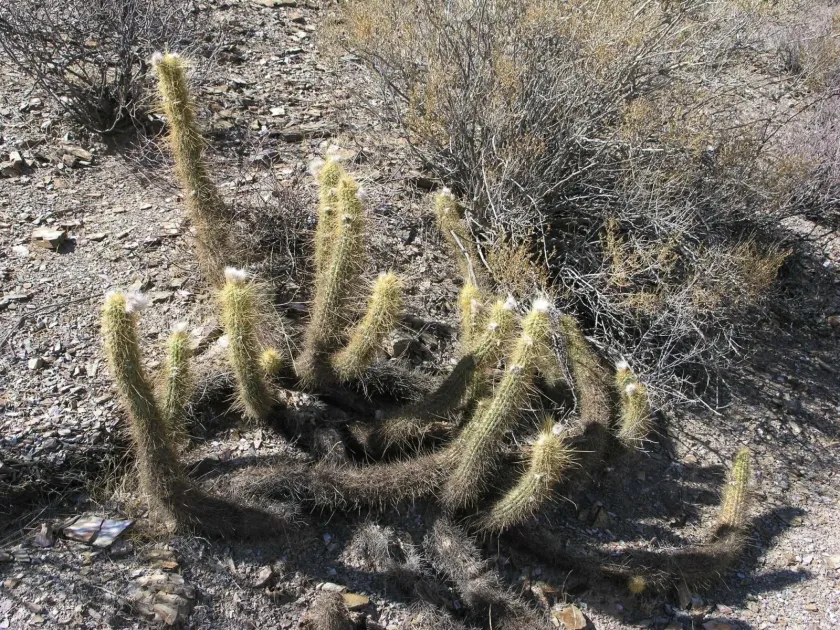
Description
Growing requirements
Echinopsis camarguensis is a member of the Cactaceae family, known for its distinct column-shaped stems and tree-like habit in maturity. This species is highly valued for its structural beauty and characteristic hardy nature within the genus.
The native habitat of this plant is restricted to the high-altitude regions of Bolivia, specifically near Camargo. Due to its origin, the species requires specific conditions to mimic its natural environment, particularly high solar radiation and low relative humidity during the growth season.
Soil requirements for this cactus focus on rapid drainage and mineral content. A professional growing medium should consist of coarse sand, perlite, and volcanic rock fragments to prevent root asphyxiation, which is common in more organic-rich soils.
Climate needs are strictly defined: it thrives under high-intensity light. If grown indoors, it is essential to place the plant near a southern window or provide supplementary LED grow lights to ensure the stem maintains its natural girth and green color.
The cultural use of this species is primarily focused on ornamental horticulture and conservatory collections. It is a prized specimen for enthusiasts due to its impressive size potential and the periodic development of large, showy blooms that are typical for the Echinopsis genus.
Main diseases and pests
Root rot is the most significant threat to Echinopsis camarguensis, often triggered by over-irrigation or soil that remains saturated for extended periods. Once root rot takes hold, it can rapidly progress into the stem, causing irreparable tissue damage.
Pests such as mealybugs and spider mites are frequent invaders of the plant's ribs and areoles. Their presence can stunt growth and invite fungal infections that may severely disfigure the succulent's surface and overall structure.
Integrated pest management is recommended for maintaining healthy specimens. This includes regular manual inspection of the plant's surface and the use of targeted insecticidal soaps or systemic pesticides when an infestation is detected early.
Poor ventilation in enclosed growing spaces creates a stagnant environment that favors powdery mildew and other airborne fungal spores. Ensuring steady air circulation is a key preventative measure for all succulent species grown in intensive greenhouse conditions.
Environmental stress, particularly sudden drops in temperature while the plant is hydrated, can lead to cellular bursting. Keeping the plant dry during winter months is essential to increasing its resistance to low-temperature damage and maintaining structural integrity.