
Cephalocereus polylophus
Cephalocereus polylophus
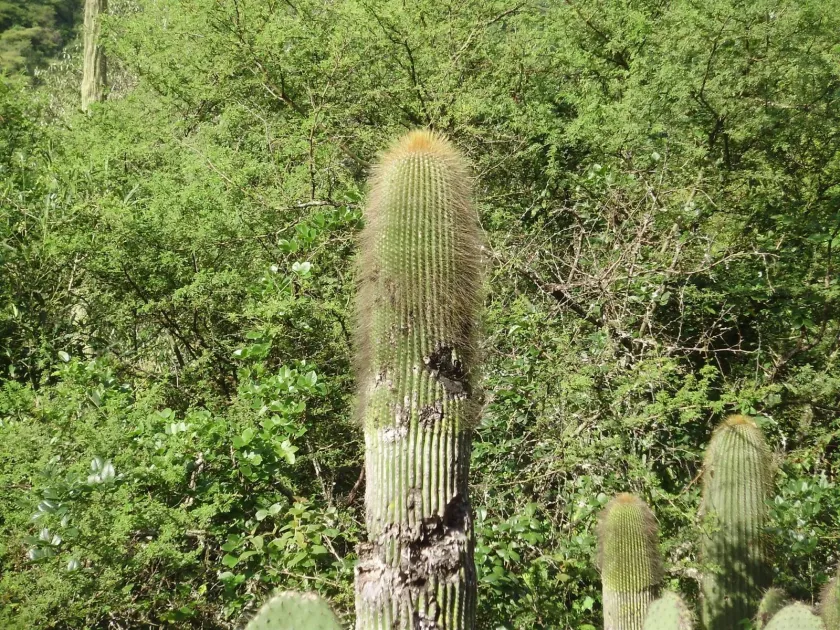
Description
Growing requirements
Cephalocereus polylophus is a prominent member of the Cactaceae family, known for its majestic, column-like growth habit. Originating from the arid, rocky landscapes of Central Mexico, it has adapted to thrive in harsh environments with intense sunlight and well-draining soil.
The plant requires high light intensity to maintain its structural integrity. In a controlled agricultural or conservatory environment, direct sunlight is essential for at least six to eight hours per day to prevent the stem from becoming etiolated or deformed.
Soil requirements focus on extreme porosity. A mixture of pumice, coarse sand, and a small portion of organic matter is ideal. This composition ensures that moisture does not remain trapped around the root system, which is vital for preventing physiological stress.
Climatic requirements necessitate a clear distinction between the active growing season and the dormant winter period. During the winter, the plant benefits from cooler temperatures, which helps stimulate future flowering and supports the plant's natural metabolic rhythms.
Water management is the most critical aspect of the plant's husbandry. Irrigation should be performed only when the substrate is entirely dry. During the dormant phase, water should be withheld almost completely to protect the root crown from pathogenic fungi.
Main diseases and pests
Root rot is the most common threat encountered in cultivation, typically triggered by overwatering or poor drainage. This condition can rapidly compromise the vascular system of the cactus, leading to total collapse of the stem if not treated early.
Mealybugs represent a significant pest concern, as they often hide within the dense spine clusters of the Cephalocereus. These insects feed on the sap, creating wounds that may serve as entry points for bacterial infections.
Spider mites are common in low-humidity environments. These microscopic pests target the tender growth areas of the cactus, resulting in stunted development and superficial damage that impairs the plant's natural appearance and photosynthesis.
Scale insects can attach themselves to the stem, appearing as small, waxy bumps. Manual removal using a swab dipped in rubbing alcohol is an effective control measure for localized infestations before they spread across the entire stem surface.
Effective pest and disease management relies on regular inspection and proper cultural practices. Ensuring good airflow in the growing area prevents the buildup of pests and reduces the likelihood of humidity-related fungal issues during the cooler months.