
Cephalocereus euphorbioides
Cephalocereus euphorbioides
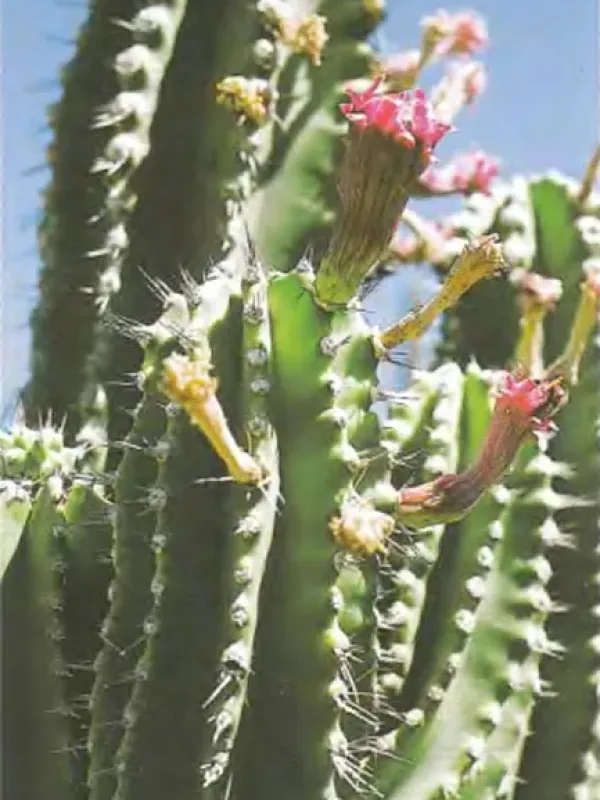
Description
Growing requirements
Cephalocereus euphorbioides is a distinct succulent belonging to the Cactaceae family. Originating from the arid regions of Mexico, this species is well-adapted to rocky environments and nutrient-poor soils, reflecting its evolutionary strategy for survival in harsh conditions.
The botanical structure of the plant is characterized by a sturdy, columnar stem with defined ribs adorned with sharp spines. These physical attributes are essential for protecting the plant from herbivores and reducing water loss through transpiration in intense heat.
Successful cultivation of this cactus requires full sun exposure throughout the growing season. In an agricultural or greenhouse context, ensuring maximum light intensity is crucial to maintain the plant's structural integrity and prevent etiolation.
The soil must be inorganic, sandy, and highly porous to ensure rapid drainage. A typical substrate mixture includes coarse sand, gravel, and a small portion of pumice, which mirrors the natural composition of the rocky terrain in its native Mexican habitat.
During winter, the plant undergoes a dormant phase. It is vital to keep the plant in a cool, dry environment with temperatures between 10 and 15 degrees Celsius. Withholding water during this time is essential to simulate natural cycles and prevent stress on the root system.
Main diseases and pests
The primary threats to Cephalocereus euphorbioides are root and stem rot caused by overwatering. High humidity levels in the substrate, especially during lower temperatures, create a perfect environment for opportunistic fungal infections.
Pests such as mealybugs, spider mites, and scale insects frequently target the epidermis of the cactus. These pests sap the internal moisture of the plant, weakening its growth and leaving it vulnerable to subsequent bacterial or fungal invasions.
- Maintaining optimal airflow in the growing area.
- Monitoring for signs of sap-sucking pests.
- Applying specialized fungicides only when strictly necessary.
Effective pest management involves early detection and the use of insecticidal soap or localized alcohol treatments for small infestations. In severe cases, systemic insecticides may be employed to ensure complete eradication.
Cultivation hygiene is the most important factor in preventing disease. By keeping the growing environment clean and avoiding physical damage to the plant's surface, the cultivator can significantly reduce the risk of secondary infections and ensure long-term health.