
Mandevilla hybrid
Mandevilla x amabilis (Backh. & Backh. f.) Dress x M. boliviensis (Hook. f.) Woodson
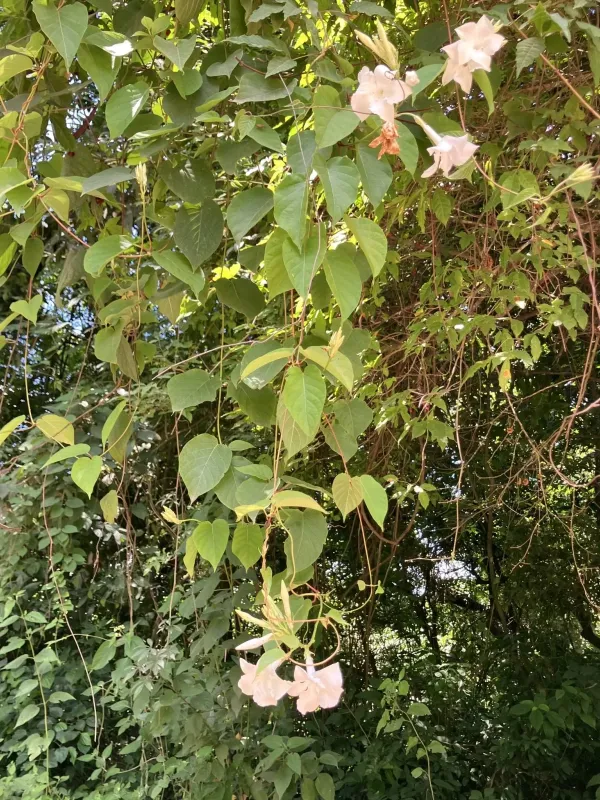
Description
Growing requirements
Mandevilla hybrid belongs to the Apocynaceae family and is a popular ornamental flowering vine derived from tropical species native to Central and South America. These plants are prized for their glossy foliage and trumpet-shaped flowers that bloom continuously throughout the warm season.
The cultural requirements for this plant include high light intensity, though it performs best with bright, filtered sunlight to prevent scorching of the leaves. In temperate regions, it is primarily managed as a container plant, requiring shelter from frost and cold drafts during the winter months.
Effective soil management is crucial for this crop, as it requires a well-draining, nutrient-rich substrate. A typical mix should consist of high-quality peat, horticultural sand, and organic compost, which ensures that water can drain freely while maintaining essential moisture levels around the roots.
Watering frequency should be adjusted based on the stage of development and environmental temperature. During the peak summer heat, the plant requires consistent moisture, but the substrate must be allowed to dry slightly at the surface between waterings to encourage a robust and healthy root system.
Structural support is essential for the development of Mandevilla. As a climbing plant, it requires sturdy trellises, wires, or stakes to support its vigorous stems. Periodic pruning is recommended to control the size of the plant and to promote denser growth and more abundant floral production.
Main diseases and pests
The primary pests affecting Mandevilla crops are spider mites, whiteflies, and mealybugs. These pests thrive in dry indoor air, making early detection and regular monitoring of leaf undersides essential for preventing large-scale infestations that can stunt the plant's growth.
Root rot, often caused by poor drainage or overwatering, is the most common physiological challenge. To mitigate this threat, growers should ensure that containers have ample drainage holes and avoid leaving standing water in the drip tray, as excessive moisture leads to the rapid decline of the root system.