
Mandevilla amabilis
Mandevilla x amabilis (Backh. & Backh. f.) Dress
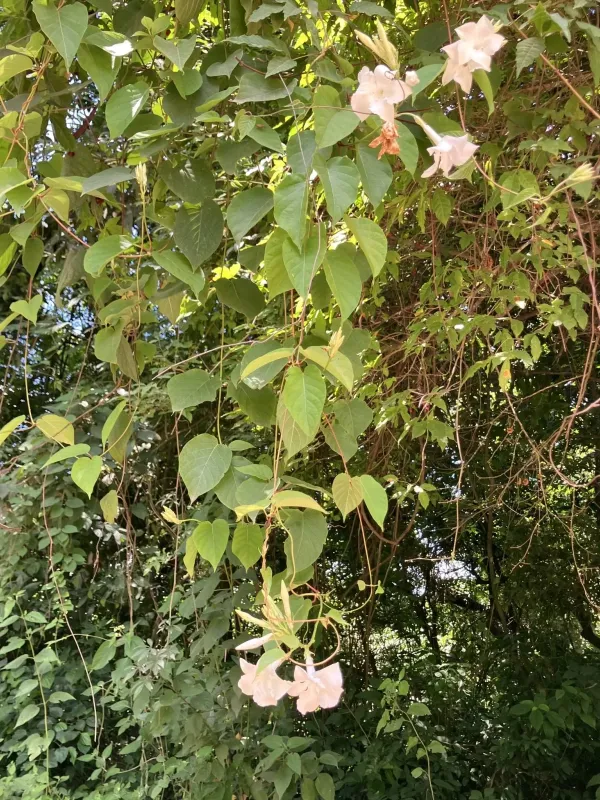
Description
Growing requirements
Mandevilla x amabilis is a popular ornamental vine belonging to the Apocynaceae family. It is widely recognized for its fast-growing, woody stems and large, trumpet-shaped flowers that appear throughout the warmer months.
Originating from the tropical regions of Central and South America, this plant is best suited for greenhouse environments or warm conservatory settings in temperate zones. It cannot tolerate freezing temperatures and must be moved indoors during winter.
Light requirements are significant; the plant thrives in bright, indirect light. While it enjoys some sun to stimulate blooming, harsh midday exposure can scorch the foliage. Placing it in a spot with morning or evening sun is ideal.
Soil composition must be rich in organic matter and very well-draining. A mix of peat moss, perlite, and high-quality potting soil provides the necessary aeration. A consistent moisture level is required, but the pot must have drainage holes.
The plant requires regular fertilization during its growing season. A balanced, water-soluble fertilizer applied every two weeks helps support the vigorous growth of the vines and encourages a continuous production of flowers.
Main diseases and pests
The most common pests affecting Mandevilla amabilis include spider mites, mealybugs, and scale insects. These pests often congregate on the undersides of leaves or in the axils of stems, depleting the plant's sap and vigor.
Root rot is the most significant disease threat, typically caused by overwatering or poor drainage. Symptoms include wilting leaves that turn yellow and drop prematurely, despite the soil being moist, signaling a failure of the root system.
Managing pest outbreaks requires the use of horticultural oils or systemic insecticides. Regular inspection of the plant is vital to detect infestations at an early stage before they spread across the entire vine structure.
All parts of the plant, including the sap, are toxic to pets and humans. It is essential to keep the plant out of reach and wear gloves when pruning to avoid skin irritation or accidental ingestion of the milky latex.
Proper airflow is a critical factor in preventing both fungal infections and pest colonies. Placing the plant in a location with good circulation helps maintain healthy foliage and significantly reduces the need for chemical interventions.