
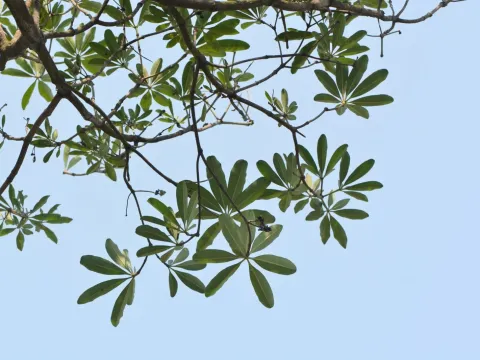
Alstonia
Alstonia
Alstonia is a genus of evergreen trees and shrubs belonging to the Apocynaceae family. Naturally distributed throughout tropical and subtropical regions of Asia, Australia, Africa, and Central America, these plants thrive in high-humidity environments.
What the section contains

Alstonia
The cultivation of Alstonia demands consistent tropical warmth, as the plants are highly intolerant of frost. Ideal growth conditions include regions where temperatures remain stable throughout the year and annual rainfall is abundant.
Soil requirements focus on well-drained, nutrient-rich substrates. While Alstonia species generally prefer moist soils, they require adequate oxygen exchange for their root systems, necessitating careful selection of planting sites with good drainage.
Agricultural management involves routine monitoring of soil fertility and growth rates, as Alstonia is known for its relatively fast development. Proper spacing is essential to ensure adequate airflow between trees, which helps in maintaining healthy crowns.
Economically, the genus is highly valued for its lightweight timber, commonly used in pencil manufacturing, plywood, and furniture production. Additionally, various parts of the plant, especially the bark, contain bioactive alkaloids used in traditional and modern herbal medicine.
Fungal diseases are the primary concern for Alstonia plantations, particularly leaf spot pathogens and root rot that occur in excessively wet conditions with poor drainage.
Pest management is focused on controlling aphids, scale insects, and wood-boring beetles that can compromise the structural integrity of the trunks and stunt the tree's growth.
Integrated pest management strategies, including the use of beneficial insects and selective chemical applications, are employed to minimize damage in commercial plantations.
Regular pruning of diseased branches and debris removal from the plantation floor are critical steps to prevent the spread of infections across the stand.
Ensuring site-specific conditions that do not encourage high humidity stagnation around the tree canopy significantly reduces the risk of widespread disease outbreaks.