
Alstonia scholaris
Alstonia scholaris (L.) R. Br.
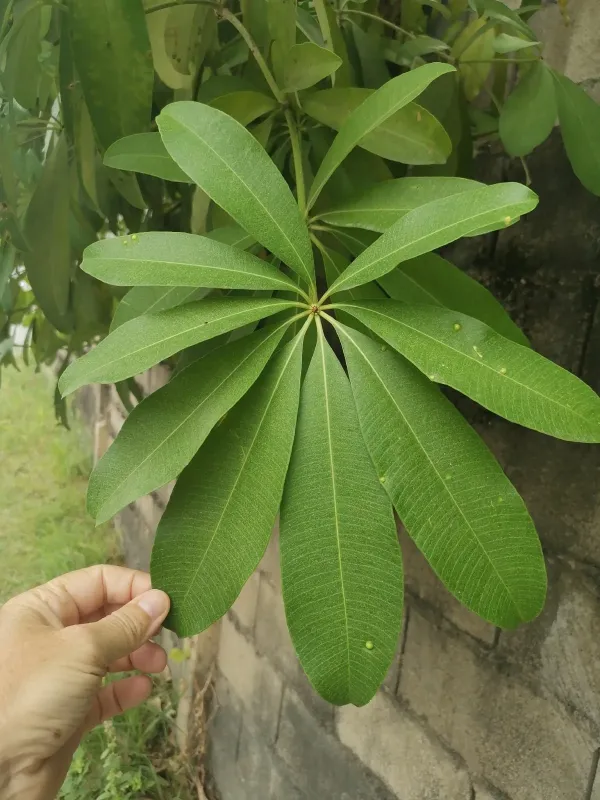
Description
Growing requirements
Alstonia scholaris, commonly known as the blackboard tree, belongs to the Apocynaceae family. It is a large, evergreen, fast-growing tropical tree native to Southeast Asia and the Indian subcontinent.
This species thrives in tropical climates characterized by high rainfall and warm temperatures throughout the year. It exhibits a preference for well-drained loamy soils but adapts well to various soil types.
The tree requires significant sunlight for optimal growth. In forest plantations, spacing is crucial to prevent competition for light and to ensure the development of a straight, high-quality trunk.
Agricultural practices involve nursery preparation, where seeds are sown in protected environments before being transplanted to the field during the onset of the rainy season.
Protection from extreme winds is recommended for young saplings, as the wood is relatively brittle and can sustain damage during storm events in exposed areas.
Yield
The wood of Alstonia scholaris is light, soft, and easy to work with. It is globally recognized as the primary material for high-quality pencil manufacturing.
In the pharmaceutical industry, the bark of this tree is highly valued for its medicinal properties, specifically for treating fevers, digestive disorders, and skin ailments.
The species is also integrated into agroforestry systems, where it provides timber, improves soil structure, and serves as a windbreak for smaller crops.
Pollination studies highlight the importance of its fragrant flowers in supporting local biodiversity and bee populations, enhancing overall ecosystem productivity.
The rapid biomass accumulation makes this species an excellent candidate for carbon sequestration projects and large-scale industrial reforestation initiatives.
Main diseases and pests
The tree is susceptible to infestation by defoliating larvae, which can cause severe growth retardation if left uncontrolled during the early developmental stages.
Mealybugs are known to colonize the stems and foliage, extracting sap and weakening the tree, which can necessitate targeted biological control measures.
Leaf spot diseases caused by fungi often manifest during prolonged humid weather, leading to premature leaf drop and reduction in photosynthetic efficiency.
Root rot pathogens are a persistent threat in waterlogged soils, requiring meticulous attention to site drainage and soil preparation before planting.
- Defoliating caterpillars
- Mealybugs
- Leaf spot fungi
- Phytophthora root rot