
Alstonia actinophylla
Alstonia actinophylla
Description
Growing requirements
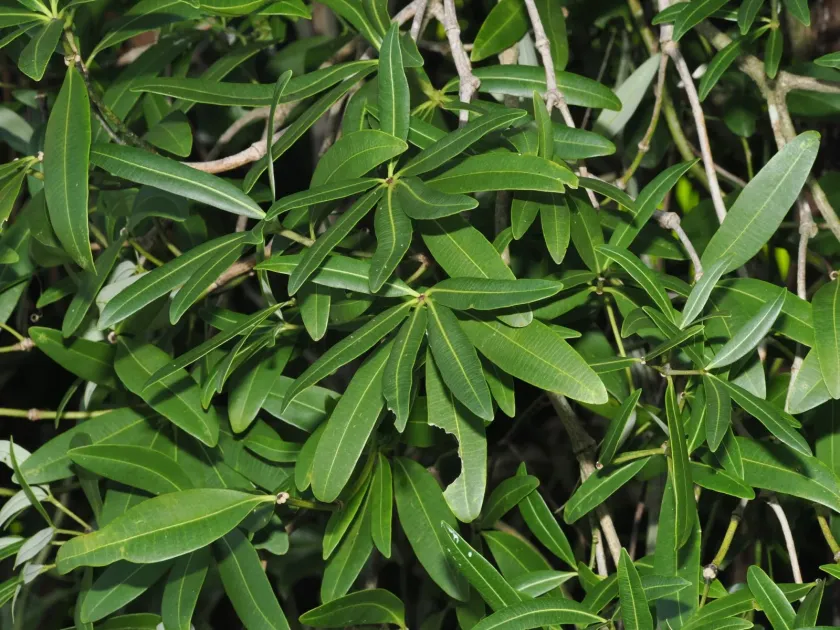
Alstonia actinophylla is a robust evergreen tree classified within the Apocynaceae family. Known for its aesthetic appeal and structural strength, it serves as a key botanical species in its native Northern Australian habitats.
The natural range of this species covers tropical regions where the climate is characterized by distinct wet and dry seasons. It has evolved to thrive in these conditions, showing high resilience in its native ecosystem.
Successful cultivation requires full sun exposure and consistently high temperatures. As a tropical species, it cannot survive in frost-prone areas, making its use restricted to warm climatic zones.
Regarding soil requirements, the species performs best in well-drained, fertile loams. It is essential to ensure that the site provides adequate aeration for the root system, as this plant is sensitive to waterlogged conditions.
In terms of хозяйственное (economic) use, the timber of Alstonia actinophylla is utilized for specialized woodworking, while the tree itself is a popular choice for large-scale landscaping and reforestation projects in tropical areas.
Main diseases and pests
Common threats to Alstonia actinophylla include infestations by sap-sucking insects like scale insects, which can weaken young specimens and stunt their overall growth rate.
Fungal pathogens represent a significant risk, particularly during heavy monsoon seasons when prolonged humidity can lead to bark decay and root rot if soil drainage is insufficient.
Pest management should involve regular canopy inspections to identify early signs of localized outbreaks, allowing for targeted treatment rather than broad-spectrum chemical application.
Maintaining proper distance between planted trees is crucial to facilitate air circulation, which naturally inhibits the spread of airborne fungal spores and improves tree health.
Should severe damage be observed, agricultural professionals recommend using systemic fungicides or appropriate biological control agents to restore the health of the impacted plants.