
Katsura tree
Cercidiphyllum Siebold & Zucc.
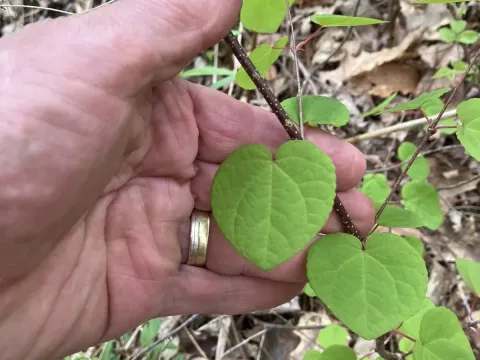
The Katsura tree (Cercidiphyllum) is a member of the Cercidiphyllaceae family, native to the temperate forests of Japan and China. It is highly prized in horticulture for its spectacular heart-shaped leaves and unique autumnal fragrance resembling burnt sugar or gingerbread.
What the section contains

Katsura tree
Regarding site requirements, this species thrives in moist, well-drained, and nutrient-rich soils. It has a specific preference for acidic to neutral pH levels; highly alkaline soils often induce iron chlorosis, resulting in yellowing foliage and stunted development.
The cultural practice for Katsura requires constant soil moisture. Unlike many landscape trees, it is not drought-tolerant. Irrigation must be managed carefully, especially for young trees, to prevent root stress and ensure vigorous growth during the spring flush.
For optimal placement, shelter from strong, drying winds is essential. Exposure to harsh winds can cause leaf scorch and branch dieback, particularly in exposed urban environments or open landscapes where wind protection is insufficient.
Katsura trees grow best in partial shade to full sun. While they tolerate full sun in cooler northern climates, they often appreciate afternoon shade in regions with intense heat to protect the delicate leaf tissue from heat stress and rapid water loss.
Katsura trees are generally robust but can suffer from Verticillium wilt, a soil-borne fungal pathogen. This disease affects the vascular system, causing branch dieback and overall decline, which is often fatal if not managed through proper sanitation.
Leaf spot diseases may occur during wet, humid growing seasons. To minimize the risk, gardeners should focus on improving air circulation through selective pruning and ensuring that the tree is not planted in overcrowded spaces where moisture persists.
Pest issues include occasional infestations of aphids and spider mites. These pests typically congregate on the undersides of leaves, causing discoloration. Biological controls or targeted horticultural oils are often sufficient to manage these populations effectively.
Root rot is a significant concern in sites with poor drainage. If water accumulates around the roots, the oxygen levels decrease, leading to root decay. Amending soil with organic matter and creating a proper drainage system during planting is the primary prevention method.
Maintenance to reduce threats involves keeping the tree healthy through balanced fertilization and prompt removal of dead or damaged wood. Monitoring the health of the foliage throughout the season allows for early detection of potential stress indicators.