
Snowy River wattle
Acacia boormanii Maiden
Description
Growing requirements
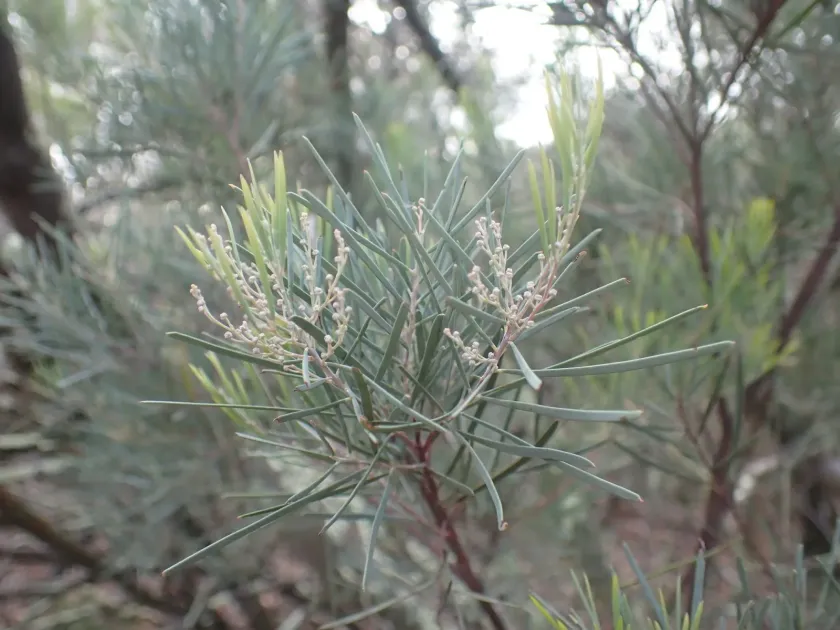
The Snowy River wattle (Acacia boormanii) is an evergreen perennial shrub belonging to the Fabaceae family. This species originates from the southeastern regions of Australia, typically found in rocky habitats and dry slopes.
The crop is highly adaptable to arid conditions and can withstand occasional frosts down to -10°C, making it a popular choice for warm temperate climates.
The plant thrives in well-drained sandy or loamy soils with a neutral to slightly acidic pH level. Ensuring adequate sunlight exposure is essential for the healthy development of this species.
Regarding agrotechnics, Acacia boormanii requires minimal fertilization as it possesses the ability to fix atmospheric nitrogen through symbiosis with root bacteria.
In landscaping and ornamental gardening, this species is highly valued for its prolific flowering, featuring vibrant yellow, fluffy blossoms that emerge in early spring to provide significant visual appeal.
Main diseases and pests
The primary threats to this acacia species include fungal diseases of the root system, which are generally triggered by waterlogged soil and inadequate drainage.
Pests such as spider mites or mealybugs may infest young shoots, particularly in conditions with low atmospheric humidity or when grown under protected cultivation.
Improper maintenance, such as excessive watering during the dormant winter period, often results in the development of root rot, which is difficult to manage effectively.
To prevent pest infestations, regular sanitary pruning of dense branches is recommended, as this significantly improves crown ventilation and overall plant health.
In rare instances, aphids may affect the plant, which can be successfully controlled through biological management practices or systemic insecticides.