
Queensland silver wattle
Acacia podalyriifolia A. Cunn. ex G. Don
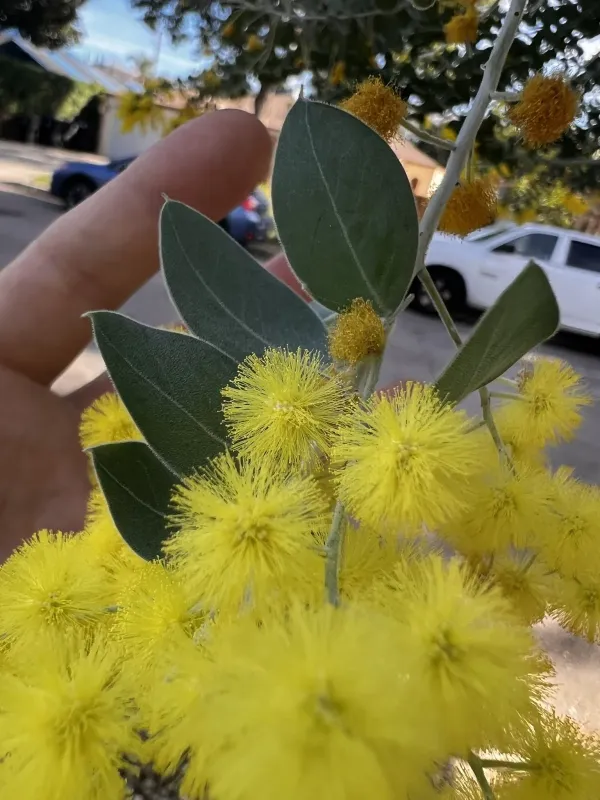
Description
Sowing dates
Propagation of Acacia podalyriifolia is primarily achieved through seeds, which require specific pre-treatment to ensure successful germination and seedling establishment.
It is essential to perform seed scarification or soak the seeds in near-boiling water for several hours to break their dormancy and facilitate water absorption.
Sowing should take place in a free-draining sandy loam mix, maintaining a warm environment, ideally within a greenhouse, during late winter or early spring.
Seedlings should be transplanted into individual containers once they reach a size that allows for safe handling, ensuring the root ball remains intact.
Hardening off the plants before final transplantation is a critical step, especially when moving them from a protected environment to an outdoor location.
Growing requirements
The Queensland silver wattle is a member of the Fabaceae family, celebrated for its rapid growth rate and attractive, silver-hued foliage that provides aesthetic appeal year-round.
Native to Australia, this species thrives in full sun exposure, which is necessary to maintain its compact growth form and encourage abundant floral production.
Soil requirements are relatively modest, provided that the substrate is exceptionally well-drained, as the plant is highly susceptible to root decay in waterlogged conditions.
While the species exhibits significant drought tolerance once established, consistent moisture during the initial stages of growth significantly enhances plant vigor.
Regarding climate, the plant prefers temperate to subtropical conditions and should be protected from harsh, sustained frosts which can damage its tender new branches.
Main diseases and pests
Common pests associated with this species include scale insects and mealybugs, which tend to congregate along stems and the undersides of the leaves.
Root rot caused by Phytophthora species can occur if the irrigation management is improper, leading to sudden wilting and eventual death of the entire plant.
Environmental stress, such as poor soil drainage or high pH levels, can trigger leaf yellowing, which is a symptom of nutrient uptake inhibition in the root zone.
Integrated pest management, including monitoring and the use of horticultural oils, is effective in controlling infestations without damaging the foliage.
- Regular inspection for pest colonies
- Maintenance of proper soil drainage
- Strategic pruning to improve air circulation