
Acacia acinacea
Acacia acinacea Lindl.
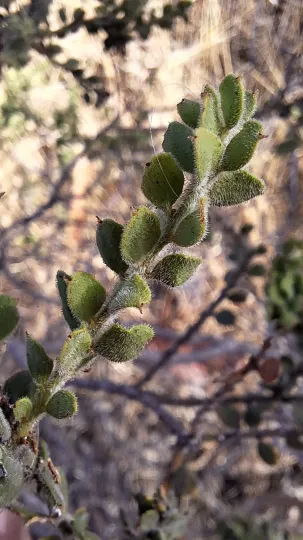
Description
Sowing dates
Acacia acinacea, belonging to the Fabaceae family, is primarily propagated through seeds. The seeds feature a hard seed coat, necessitating scarification or immersion in hot water prior to planting to ensure effective water absorption and germination.
The optimal sowing time is during the spring season when soil temperatures remain consistently between 18 and 22 degrees Celsius. Seeds should be sown in a well-draining, sandy-loam substrate at a shallow depth of approximately 0.5 to 1 centimeter.
Germination typically spans from two to four weeks. During this period, it is crucial to maintain steady moisture levels while avoiding excessive saturation, which could lead to seedling dampening-off.
Transplanting seedlings to their permanent location is best performed once the risk of frost has passed. Young plants require a gradual acclimation period to withstand direct sunlight and wind exposure.
For plantation-style growth, such as windbreaks or screening hedges, a spacing of 1.5 to 2 meters between individual plants is recommended to allow for adequate canopy development.
Growing requirements
As a species native to Australia, Acacia acinacea thrives in climates with high solar exposure. It requires full sun for optimal health, though it can tolerate light shade during the hottest parts of the day.
The plant is highly adaptable to various soil types, including gravelly or poor sandy soils, provided that excellent drainage is present. Stagnant water is detrimental to the plant's health and will quickly cause root dysfunction.
Acacia acinacea is known for its moderate drought tolerance once established. This characteristic makes it a suitable candidate for sustainable landscaping in regions where water conservation is a priority.
Soil pH should ideally be neutral to slightly acidic. Like many other acacia species, it forms symbiotic relationships with rhizobia bacteria, enabling it to fix nitrogen from the atmosphere and thrive in low-nutrient soils.
Maintenance involves minimal fertilization. Over-fertilizing with high-nitrogen compounds may lead to excessive vegetative growth at the expense of flowering, so a balanced, slow-release fertilizer is preferable.
Main diseases and pests
Scale insects and mealybugs represent the most common pest threats to this species. These sap-sucking insects can weaken the plant and reduce its aesthetic value if infestations are left unmanaged.
Root rot caused by pathogenic soil fungi is the primary disease risk. This condition is almost exclusively associated with improper irrigation practices or soil that lacks adequate drainage capacity.
Leaf spot and anthracnose may occur in humid conditions or where air circulation is restricted. Pruning the interior of the shrub helps improve airflow, significantly reducing the likelihood of fungal outbreaks.
Spider mites may occasionally emerge during extended dry and hot weather cycles. Regular monitoring and the application of targeted acaricides or neem oil-based treatments can help control these pests effectively.
- Regular inspection of leaf undersides for pests.
- Ensuring proper soil drainage before planting.
- Sanitary pruning to remove dead or diseased branches.