
Vachellia sieberiana
Vachellia sieberiana (DC.) Kyal. & Boatwr.
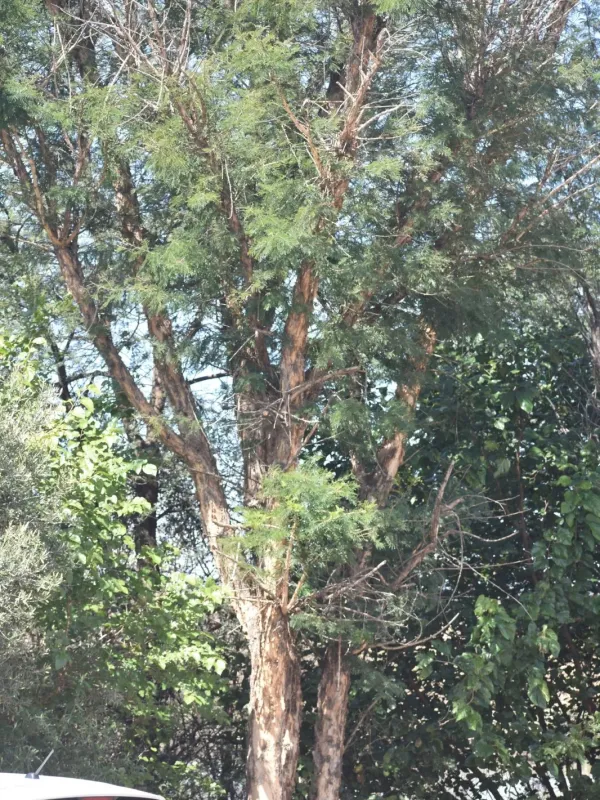
Description
Sowing dates
Propagation of Vachellia sieberiana is primarily performed through seeds, which must be scarified to break their physical dormancy. This ensures water uptake and uniform germination rates in nursery conditions.
Sowing should ideally coincide with the onset of the rainy season to provide the necessary moisture for early root development. For larger plantation schemes, direct seeding can be used if soil moisture is consistently monitored.
In nursery settings, containers provide the best start for seedlings, allowing for a robust root system before field transplantation. This method significantly increases survival rates during the initial establishment phase.
Seed placement depth should be minimal, generally around 1 to 2 centimeters. Over-deep planting can inhibit the emergence of delicate shoots and reduce the overall success rate of the nursery production.
Effective management in the first months involves weeding and protection from browsing animals. Establishing strong, healthy seedlings early on reduces the need for costly maintenance in the long term.
Growing requirements
This species is highly resilient and thrives in a wide range of soil types, including sandy, loamy, and clay-rich environments. It is well-known for its ability to withstand temporary waterlogging, a rare trait among drought-tolerant trees.
As a member of the Fabaceae family, Vachellia sieberiana forms symbiotic relationships with nitrogen-fixing bacteria. This feature improves soil fertility by incorporating organic nitrogen into the ecosystem, benefiting neighboring crops.
The tree requires full sun exposure to reach its maximum growth potential. Being a species of the savanna, it has evolved to utilize intense light levels for photosynthetic efficiency throughout the growing season.
It is remarkably drought-tolerant, possessing deep taproots that access groundwater reserves. This allows the tree to persist through long dry seasons where other vegetation may go dormant or perish.
Temperature sensitivity is an important factor to consider. The tree prefers tropical and subtropical environments and is prone to frost damage, limiting its viability in regions with frequent sub-zero temperatures.
Yield
In agroforestry systems, Vachellia sieberiana serves as a primary source of nutritious fodder. Leaves and pods are rich in protein, providing essential minerals to livestock when grass resources are scarce.
The wood is dense and durable, making it highly valuable for construction and tool manufacturing. When managed as a woodlot, the tree provides a sustainable source of fuel and timber for local needs.
Seed production offers potential for both reproduction and value-added agricultural products. Harvesting is generally straightforward, requiring careful timing to avoid pest infestations during the drying process.
The tree plays a crucial role in soil conservation. By stabilizing the soil structure with its extensive root system, it helps prevent erosion on sloping lands and improves the general water-holding capacity of the landscape.
Gum exudates from the bark are a minor but notable commodity. With proper tapping techniques, producers can harvest gum for various industrial and food-grade applications, adding to the tree's overall economic utility.
Main diseases and pests
Seed-feeding beetles, particularly Bruchids, are the most significant pests affecting this species. They can cause severe damage to stored seeds, necessitating stringent control measures in post-harvest management.
Fungal leaf spot diseases may occur, especially in nurseries where humidity levels are high. Maintaining proper spacing and air circulation within the canopy helps minimize the incidence of these pathogens.
Browsing pressure from wildlife and livestock remains a major threat to juvenile trees. Mechanical protection, such as wire fencing or tree guards, is essential until the plant reaches a height beyond the reach of grazing animals.
Mistletoe infestation is a common problem for mature trees, leading to progressive weakening of branches and reduced vigor. Periodic pruning of affected branches is necessary to maintain tree health and productivity.
Mechanical damage caused by farm machinery or improper pruning techniques can introduce wood-rotting fungi. Always ensure that cutting tools are sharp and sanitized to promote rapid healing and prevent pathogen entry.