
Acacia binervia
Acacia binervia (J. C. Wendl.) J. F. Macbr.
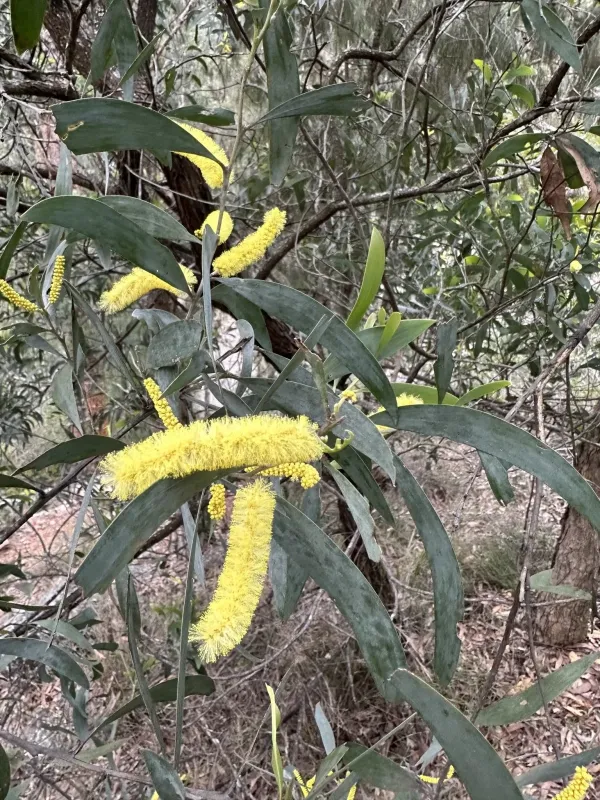
Description
Growing requirements
Acacia binervia is a large shrub or small tree belonging to the Fabaceae family. Native to eastern Australia, it is known for its durability and adaptability to various environmental conditions, including sandy and rocky soils.
The plant thrives in full sun exposure and requires well-drained soil to prevent root issues. It is considered a hardy species, capable of withstanding periodic droughts once it is well-established in the terrain.
Botanically, it is characterized by its distinct phyllodes, which are modified leaf stalks that serve the purpose of leaves. This adaptation helps the plant conserve water in its native arid habitats.
As a nitrogen-fixing species, it plays a vital role in agricultural ecosystems by improving soil nutrient profiles. It is often utilized in reforestation projects and land reclamation initiatives to stabilize degraded landscapes.
Agricultural management is relatively simple, requiring minimal maintenance. Regular pruning helps to maintain the shape of the crown and ensures that the tree remains productive and aesthetically pleasing.
Main diseases and pests
The species is susceptible to attacks by various sap-sucking insects, including scale insects. These pests can weaken the plant by extracting essential nutrients from the stems and phyllodes.
Fungal leaf spot diseases may occur in areas with poor air circulation or high humidity levels. It is important to space out planting rows to ensure sufficient airflow throughout the tree canopy.
Root rot, typically caused by Phytophthora species, represents a significant threat in poorly drained soils. Improving drainage is the most effective preventative measure against such pathogens.
Borers can also pose a threat to older trees, creating tunnels in the bark and wood, which compromises the structural integrity of the plant. Monitoring for signs of borer holes is recommended.
Integrated pest management, involving both chemical and biological controls, is suggested for larger commercial plantations to ensure long-term health and productivity of the trees.