
Acacia leprosa
Acacia leprosa Sieber ex DC.
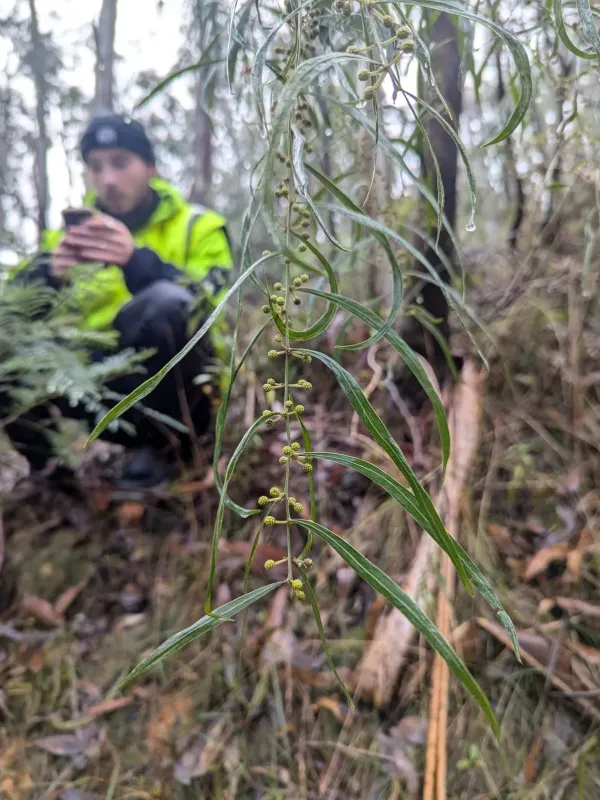
Description
Growing requirements
Acacia leprosa, commonly known as the Leper Acacia or Cinnamon Wattle, is a woody shrub in the Fabaceae family native to southeastern Australia. It is highly valued in horticulture for its weeping habit and fragrant, pale yellow flower clusters that appear in late winter and spring.
The species thrives in well-drained, slightly acidic to neutral soils. In its natural habitat, it adapts to gravelly or rocky soils, which indicates a high tolerance for low-nutrient substrates but a low tolerance for waterlogged conditions that can cause fatal root decay.
Climate requirements include plenty of sunlight, although it can tolerate light shade. It is moderately frost-tolerant but prefers temperate regions. If planted in colder climates, it must be protected from hard frosts and wind, often requiring cultivation in containers that can be brought indoors during winter.
Water management is crucial for the success of Acacia leprosa. During the active growing season, plants require regular but measured irrigation. Once established, they exhibit significant drought tolerance, but excessive moisture must be strictly avoided to prevent root diseases.
Maintenance involves light pruning to manage the shrub's shape and encourage dense growth. It is essential to avoid fertilizers high in phosphorus, as Australian native plants of the Acacia genus have evolved to extract nutrients from very poor soils and can be harmed by high nutrient loads.
Main diseases and pests
Root rot, primarily caused by Phytophthora species, is the most serious threat to Acacia leprosa. It is typically a result of poor soil drainage or excessive irrigation, which damages the root system and prevents the uptake of water and nutrients.
Sucking insects, including scale insects and mealybugs, are common pests that colonize the branches and undersides of leaves. These pests weaken the plant by feeding on its sap and can lead to secondary infections like sooty mold, which impairs photosynthesis.
Spider mites can become a significant issue during hot and dry spells, particularly in indoor or greenhouse environments. Their presence is characterized by fine webbing and a mottled appearance of the foliage, eventually leading to premature leaf drop.
Proper ventilation and correct spacing between plants are key preventive measures against fungal pathogens. Maintaining healthy airflow reduces the risk of leaf spot diseases and other moisture-related infections during humid weather conditions.
Integrated pest management strategies are recommended, starting with careful observation and manual removal of pests. In severe cases, horticultural oils or specialized systemic insecticides may be used, provided that the plant's sensitivity to chemical application is taken into account.