
Fringed wattle
Acacia fimbriata A. Cunn. ex G. Don
Description
Growing requirements
Fringed wattle, botanically known as Acacia fimbriata, is a distinctive evergreen tree or shrub belonging to the Fabaceae family. Native to the eastern regions of Australia, specifically Queensland and New South Wales, it is widely recognized for its elegant, weeping habit and fine foliage.
The plant thrives in well-drained soil types, preferring sandy or loamy textures that provide excellent aeration for the root system. While it is adaptable to various soil qualities, it performs best in slightly acidic to neutral environments common in its natural habitat.
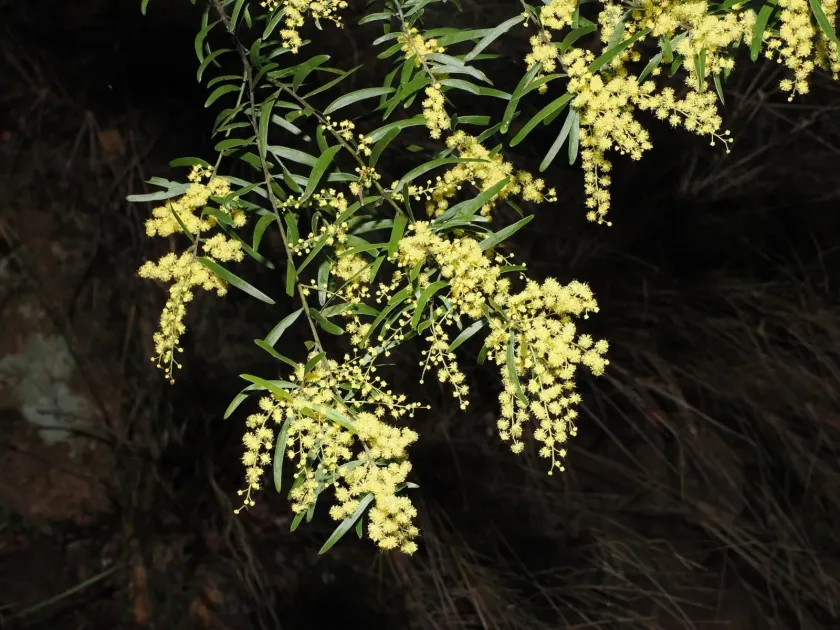
Exposure to full sun is essential for the healthy growth of this species. When planted in sunny, open locations, the tree produces a dense, attractive canopy and a profusion of bright yellow, rod-like flower clusters during the blooming season, which typically occurs in late winter and spring.
Climate tolerance is a critical factor for successful cultivation. Acacia fimbriata is suited to subtropical climates and does not tolerate severe or prolonged frost. It is often grown in garden settings in regions where temperatures remain moderate throughout the year.
In landscaping, this species is highly valued for its ornamental appeal. It is commonly utilized as a specimen tree, a screen, or a background plant in native garden designs. Its fast-growing nature makes it an excellent choice for quickly establishing structure in new landscapes.
Main diseases and pests
The fringed wattle can be susceptible to common pests such as scale insects and mealybugs. These sap-sucking pests are often found on stems and leaves; regular monitoring and prompt treatment with horticultural oils are recommended to keep the population under control.
Root rot remains the most significant physiological threat to the plant, primarily occurring in poorly drained or waterlogged soils. Ensuring that the planting site has adequate drainage and avoiding over-irrigation are the best strategies to maintain the plant's long-term health and vigor.