
Black wattle
Acacia mearnsii De Wild.
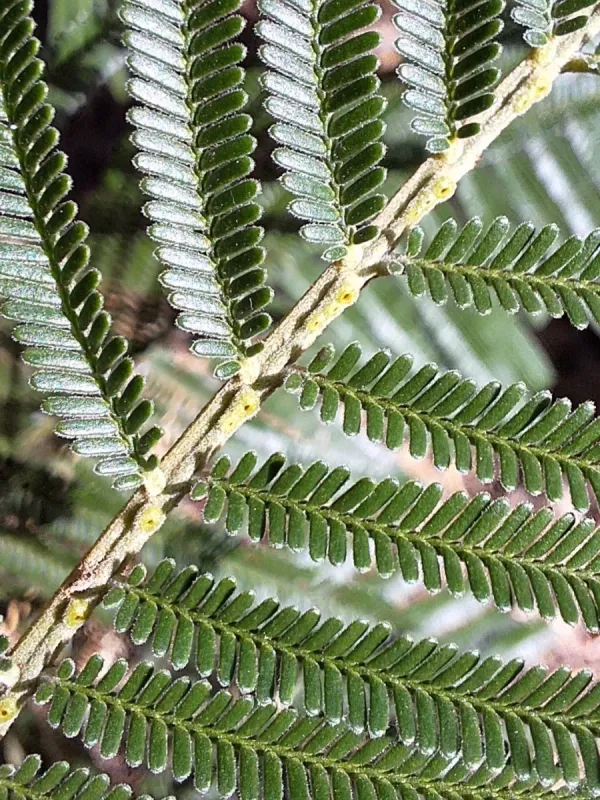
Description
Sowing dates
Sowing Black wattle seeds is best performed in spring when soil temperatures reach 15–20°C. Seeds possess a hard coat and must undergo scarification or hot water treatment to ensure uniform and timely germination.
Nurseries often prefer raising seedlings in containers for several months before transplanting them to the field. This practice significantly increases the survival rate of young plants in demanding outdoor conditions.
Planting density is typically determined by the target output, ranging from 1,600 to 2,500 trees per hectare. High-density planting is generally preferred for producing straight, high-quality timber.
The optimal time for field transplantation is at the beginning of the rainy season. Adequate soil moisture during the first few weeks is crucial for the successful establishment of the root system.
Black wattle exhibits excellent coppicing ability, allowing the stand to regenerate naturally after harvest. This characteristic minimizes the need for repeated sowing and enhances the economic viability of the plantation.
Growing requirements
Black wattle is a frost-sensitive, fast-growing species that thrives in mild climates. Extreme cold or prolonged frosts can be detrimental, often leading to tree mortality in younger stands.
The species requires well-drained soils, ideally ranging from acidic to neutral pH. It performs poorly in waterlogged conditions or saline soils, which can stunt its growth and reduce overall vigor.
Full solar exposure is essential for the healthy development of Acacia mearnsii. Shaded environments cause slower growth rates, leading to thinner stems and lower tannin concentrations in the bark.
As a nitrogen-fixing legume, the tree enriches the soil by symbiosing with specific bacteria. This makes it a valuable species for ecological restoration and for improving the fertility of poor soils.
Annual rainfall requirements are generally between 700 and 1200 mm. While it possesses moderate drought tolerance, sustained growth for industrial purposes relies on consistent moisture availability.
Yield
The typical harvesting cycle for Black wattle ranges from 8 to 12 years. This relatively short rotation period allows for efficient land use and consistent supply for the timber and tanning industries.
Under optimal management, wood yields can reach 15–25 cubic meters per hectare annually. This high productivity makes it a preferred choice for commercial forestry plantations in suitable climate zones.
The bark is highly prized for its tannin content, which can reach 35–45%. These extracts are widely used in the global leather industry, providing a natural alternative to synthetic tanning agents.
The timber itself is dense and highly durable, making it an excellent source for firewood, pulp, and manufactured wood products like particleboard, ensuring almost full utilization of the harvested tree.
Strategically managed plantations provide a double income stream: the high-value bark for chemical extraction and the woody biomass for pulp and paper manufacturing.
Main diseases and pests
The rust fungus Uromycladium tepperianum poses the most significant threat to plantations, causing galls on branches that impair growth and reduce the quality of the bark.
Various insect pests, including leaf-eating caterpillars and stem borers, can cause widespread damage. Regular monitoring is necessary to prevent significant defoliation and tree stress.
Root rot diseases are common in plantations with poor drainage or during periods of excessive rainfall. Proper site selection and soil management are the primary defense strategies against these pathogens.
Due to its high seed production and dispersal, Black wattle is considered an invasive species in some regions. Responsible plantation management must include measures to prevent its escape into wild areas.
- Rust fungal infections (galls).
- Leaf-defoliating insects.
- Root rot due to waterlogging.
- Risk of becoming an invasive weed.
Harvesting
Harvesting bark is time-sensitive and must occur during the active sap-flow season when the bark separates easily from the trunk. This window is essential for obtaining high-quality tannin extract.
Following bark stripping, the trees are felled. Modern mechanized harvesting equipment allows for efficient processing and removal of logs, which significantly reduces labor costs.
The wood is then processed into pulpwood or timber chips. Manufacturers prioritize fast processing to maintain the freshness of the wood and the integrity of the cellulose fibers.
Proper drying is required for the bark to prevent fungal growth and chemical degradation of the tannins. Drying should be done in covered areas with good air circulation for best results.
After the harvest, the plantation area is cleared to allow for the next generation of coppice growth. This natural regeneration process is a hallmark of sustainable and profitable wattle farming.