
Blackwood acacia
Acacia melanoxylon R. Br.
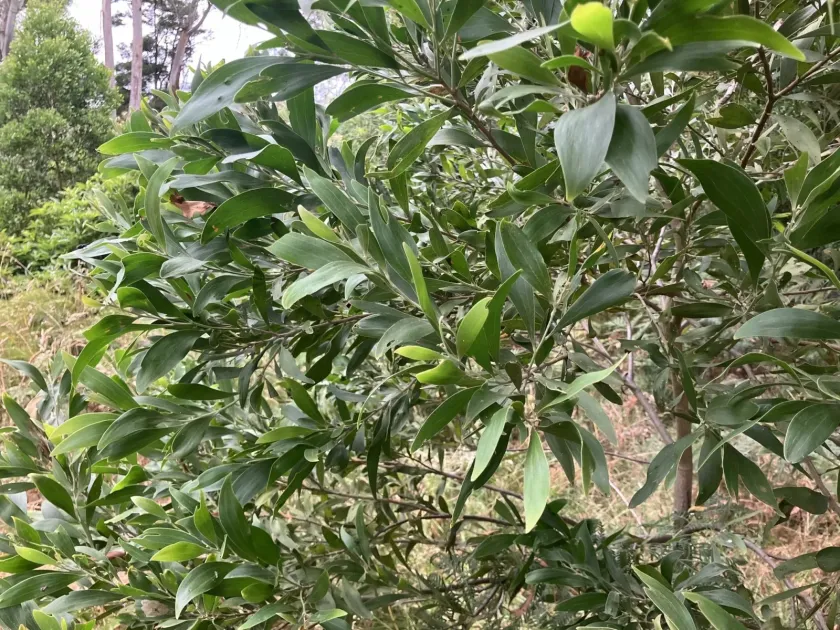
Description
Growing requirements
Acacia melanoxylon, commonly known as Blackwood acacia, is a fast-growing tree belonging to the Fabaceae family. It is distinct for its ability to produce both compound pinnate leaves and phyllodes, which are flattened leaf-like stems that act as leaves, allowing the plant to survive in diverse environmental conditions.
Native to Australia, this species has been successfully introduced to various subtropical and temperate regions globally. It is highly valued in agroforestry for its potential to fix atmospheric nitrogen, which contributes significantly to soil fertility and ecosystem sustainability.
The tree thrives in deep, well-drained, and nutrient-rich soils. While it exhibits tolerance to a range of soil types, including those that are slightly acidic or somewhat waterlogged, it performs best in well-aerated environments where root development is not constrained.
Climate requirements include a preference for moderate temperatures and consistent rainfall, although established trees can handle periods of mild drought. It is sensitive to severe frost, especially during the sapling stage, which must be considered when selecting planting sites.
The primary economic use is high-quality timber production. The wood is celebrated for its deep brown color, fine texture, and high durability, making it a sought-after material for luxury furniture, musical instruments, and architectural interior finishes.
Main diseases and pests
The main threats to this species include root rot pathogens, which are typically encouraged by poorly drained soil and stagnant water conditions. Proper site selection and land preparation are critical to minimize the risk of fungal infections in industrial plantations.
Insect pests such as wood-boring beetles can cause structural damage to the trunk, compromising timber quality. Integrated pest management, including regular monitoring and the removal of severely affected stems, is essential for maintaining the health and economic value of the wood crop.